
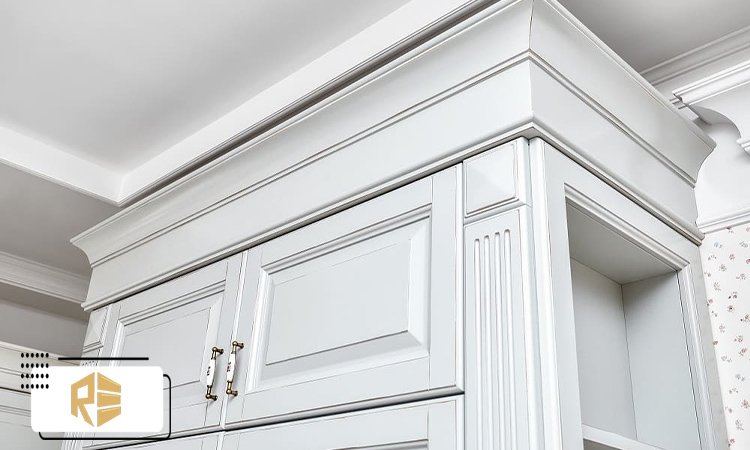
Kitchen cabinets are the centerpiece of any modern kitchen, combining functionality with style. Choosing the right design can transform an ordinary cooking space into a visually appealing and highly functional area. One common question homeowners face is whether their kitchen cabinets need crown molding. Crown molding not only enhances the aesthetic appeal but also adds a touch of elegance and sophistication, making cabinets look more custom and high-end. Beyond looks, it can also increase the overall value of your home by giving a polished, finished appearance. In this guide, we’ll explore the benefits, considerations, and process of installing crown molding on cabinets to help you decide if this upgrade is right for your kitchen.
What is Crown Molding and Why it Matters ?
Crown molding is a decorative trim that is typically installed at the top edge of cabinets, walls, or furniture. In the context of kitchen cabinets, crown molding serves both an aesthetic and functional purpose. It creates a seamless transition between the cabinets and the ceiling, filling in any gaps and giving the kitchen a more polished and cohesive look. Beyond its practical role, crown molding significantly enhances the visual appeal of your cabinetry. Even standard or simple cabinets can appear custom-made and high-end with the addition of this elegant trim. It adds depth, dimension, and a sense of luxury that instantly elevates the entire kitchen space. Homeowners who are updating their kitchens often research current modern cabinet design trends to determine whether decorative elements like crown molding fit their desired style. While traditional kitchens commonly feature ornate molding, many modern designs use simpler trim profiles to maintain a clean and sophisticated appearance. Moreover, crown molding can complement various design styles, from traditional to modern, making it a versatile choice for homeowners. If you’re considering ways to upgrade your kitchen’s appearance, installing crown molding on cabinets is a relatively simple improvement that delivers a big impact in terms of style and sophistication.
Benefits of Installing Crown Molding on Cabinets
Installing crown molding on cabinets offers several benefits that go beyond simple decoration. One of the most noticeable advantages is the enhanced visual appeal it brings to a kitchen. Crown molding adds elegance and sophistication, transforming standard cabinets into a more luxurious and custom look. It also effectively fills the gap between the top of the cabinets and the ceiling, creating a seamless, finished appearance. This not only improves aesthetics but also prevents dust and debris from accumulating in hard-to-reach spaces. In addition to beautifying the kitchen, crown molding can help protect cabinet edges from minor bumps and wear over time, extending the life of your cabinetry. Another significant benefit is the value it adds to your home. For homeowners planning a kitchen renovation, professional kitchen cabinet installation San Diego ensures that crown molding and cabinetry are perfectly aligned with the overall design. Proper installation guarantees clean edges, balanced proportions, and long-term durability, allowing decorative elements like crown molding to truly enhance the final look of the kitchen. Well-designed and properly installed crown molding can make your kitchen feel more upscale, which is appealing to potential buyers if you ever decide to sell. Overall, installing crown molding on cabinets is a simple upgrade that provides both functional and visual improvements, making it a worthwhile investment for any homeowner looking to elevate their kitchen design.
When to Consider Installing Crown Molding?
Deciding when to install crown molding on cabinets depends on several factors. For new cabinets, adding crown molding during the initial installation can create a polished, high-end look right from the start. On the other hand, older cabinets can also benefit from crown molding, giving them a refreshed and updated appearance without a complete remodel. The size and layout of your kitchen play a key role as well; rooms with higher ceilings tend to benefit more from crown molding because it draws the eye upward and adds a sense of dimension. Many homeowners investing in custom cabinets in Carlsbad choose crown molding to create a refined, architectural finish that complements spacious kitchen layouts. This design detail helps tie the cabinetry to the ceiling line, creating a more cohesive and upscale appearance throughout the space. Additionally, the overall style of your kitchen should be considered. Traditional kitchens often pair well with ornate crown molding, while modern kitchens may benefit from simpler, clean-lined designs. If you want to enhance your cabinetry with style and sophistication, installing crown molding on cabinets is a decision worth considering for both functional and aesthetic improvements.
How to Prepare for Installing Crown Molding on Cabinets ?
Proper preparation is essential before installing crown molding on cabinets to ensure a smooth and professional result. The first step is gathering the necessary tools and materials. Common items include a measuring tape, miter saw, level, finishing nails, wood glue, sandpaper, and paint or stain if needed. Accurate measurements are crucial—measure both the length and angles of your cabinets carefully to ensure the molding fits perfectly. Cutting crown molding requires precision, especially when making angled cuts for corners, so using a miter saw is highly recommended. Choosing the right material and finish for your molding is also important. Wood, MDF, and polyurethane are popular options, each offering different levels of durability, ease of installation, and appearance. Consider the color and style of your cabinets to ensure the molding complements your kitchen design. With careful planning and attention to detail, installing crown molding on cabinets can be a straightforward process that dramatically enhances the overall look of your kitchen.
Step-by-Step Guide for Installing Crown Molding on Cabinets
Installing crown molding on cabinets can seem challenging, but following a step-by-step approach makes the process manageable and ensures professional results. The first step is preparing both the cabinets and the surrounding area. Clear countertops, remove any obstacles, and make sure the cabinet tops and ceiling edges are clean and level. Next, carefully measure and cut the molding pieces. Using a miter saw allows for precise angled cuts, which is essential for perfect corner joints. Once all pieces are cut, dry-fit them to ensure everything aligns correctly before installation. Apply wood glue along the edges and secure the molding with finishing nails to firmly attach it to the cabinets. After installation, fill any gaps or nail holes with wood filler, then sand smooth. Finally, apply paint or stain to match your cabinets, giving the molding a seamless and polished appearance. Always follow safety guidelines when handling power tools, and take your time to ensure accuracy. By following these steps, installing crown molding on cabinets becomes a rewarding project that adds elegance and value to your kitchen.
Common Mistakes to Avoid
When installing crown molding on cabinets, several common mistakes can reduce the quality and appearance of your project. One of the most frequent errors is inaccurate measuring, which can lead to poorly fitting pieces and uneven corners. Using the wrong material or an inappropriate finish can also detract from the overall look and durability. Another mistake is installing the molding without considering the kitchen’s overall design, which can create a mismatched or out-of-place appearance. To ensure a polished and professional result, carefully plan and execute each step, and always prioritize precision when installing crown molding on cabinets.
Conclusion
In conclusion, adding crown molding to your kitchen cabinets offers both aesthetic and practical benefits, transforming ordinary cabinetry into a polished, high-end feature. It fills gaps, protects edges, and adds a touch of elegance that can increase your home’s value. Whether you have new or existing cabinets, carefully planning and executing the process ensures the best results. For professional advice and expert installation, visit Reza Custom Cabinet. Enhancing your kitchen’s look has never been easier than with installing crown molding on cabinets done correctly.