
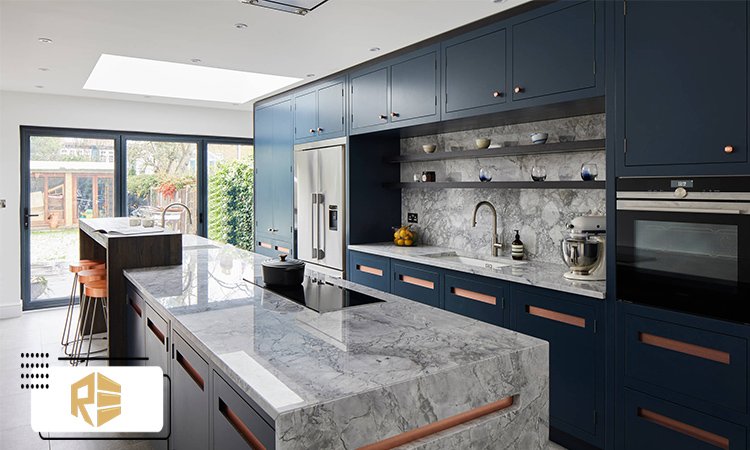
When embarking on a kitchen remodel, homeowners often find themselves at a crossroads where functionality meets high-end design. One of the most debated questions in modern cabinetry is: should cabinets go to the ceiling, or should you leave that awkward gap above the upper units? This decision isn’t just about extra shelves; it’s a fundamental choice that dictates the visual height, cleanliness, and overall “feel” of your kitchen.
At Reza Custom Cabinet, we believe that every inch of your kitchen should serve a purpose—whether that purpose is aesthetic elegance or practical storage. Leaving a space above your cabinets often leads to a “dust shelf” that is difficult to maintain and visually distracting. However, extending your cabinetry to the ceiling creates a seamless, built-in look that can transform even a modest kitchen into a grander space. In this guide, we will dive deep into the pros and cons, architectural standards, and design strategies to help you decide if floor-to-ceiling cabinetry is the right investment for your home.
The Major Benefits of Floor-to-Ceiling Cabinets
When homeowners ask us at Reza Custom Cabinet, “Should cabinets go to the ceiling?”, our answer often leans toward a resounding “Yes” because of the transformative benefits this design offers. Beyond just filling a gap, extending your cabinetry to the top of the room serves both your daily lifestyle and the long-term value of your home.
Maximizing Vertical Storage
In any kitchen—especially smaller ones—square footage is a luxury. By choosing to let your cabinets go to the ceiling, you effectively unlock a “bonus” tier of storage. While these top shelves may require a step stool to reach, they are the perfect sanctuary for seasonal items like holiday platters, large turkey roasters, or specialty appliances that only see the light of day once or twice a year.
Eliminating the “Dust Shelf”
One of the most practical reasons to eliminate the gap is hygiene. Open space above cabinets is notorious for collecting a thick layer of sticky grease and dust that is incredibly difficult to clean. When your cabinets meet the ceiling, you eliminate this maintenance nightmare entirely, creating a cleaner environment for food preparation.
Architectural Height and Visual Grandeur
From a design perspective, vertical lines draw the eye upward. Full-height cabinets create a seamless visual flow that makes the ceiling appear higher than it actually is. This optical illusion can make a cramped kitchen feel surprisingly airy and expansive.
A Sophisticated, Custom Aesthetic
There is an undeniable “high-end” feel associated with custom-fitted cabinetry. Standard off-the-shelf units often leave gaps that look unfinished. By extending the wood and molding to the ceiling, you achieve a polished, integrated look that screams “custom-built.” It’s a design choice that adds a sense of permanence and luxury to the heart of your home.
When is it Essential for Cabinets to Go to the Ceiling?
While design is often a matter of personal taste, there are specific scenarios where choosing to let your cabinets go to the ceiling is practically a requirement for a successful remodel. At Reza Custom Cabinet, we often recommend this approach for three primary reasons:
Standard Ceiling Heights
If your kitchen has a standard ceiling height of approximately 8 feet (2.40 meters), leaving a gap often looks like an oversight rather than a design choice. In these spaces, a 12-inch gap is too small to be useful but large enough to look cluttered. Extending the cabinetry to the top creates a flush, professional finish that feels intentional and architecturally sound.
Minimalist and Modern Aesthetics
For homeowners aiming for a sleek, contemporary look, full-height cabinetry is a must. Modern design thrives on clean lines and a lack of visual “noise.” By eliminating the horizontal line created by the top of a standard cabinet, you achieve a monolithic, streamlined appearance that defines the modern kitchen aesthetic.
High-Volume Storage Needs
If you are a culinary enthusiast with an extensive collection of gadgets, specialty pans, or bulk pantry items, you cannot afford to waste vertical real estate. For busy families, that extra shelf at the very top is the difference between a cluttered countertop and a perfectly organized workspace.
Smart Alternatives for Exceptionally High Ceilings
In kitchens with soaring ceilings, such as those reaching 10 or 12 feet, taking a single cabinet door all the way up can look disproportionate and make the upper shelves entirely unreachable. To maintain a high-end look without compromising on design, several sophisticated alternatives exist. One popular architectural solution is the use of a Soffit or a faux bulkhead; by building a drywall box that meets the top of the cabinets, you create a flush, built-in appearance that eliminates the “dust gap” while keeping the cabinetry at a manageable scale.
For a more luxurious and decorative approach, Double Stacked Cabinets are an excellent choice. This involves placing a smaller row of cabinets—often featuring glass inserts and internal lighting—on top of the main wall units. This “stacked” effect acts as a beautiful display case for fine china or decorative items, filling the vertical space with elegance. Finally, if the gap between the cabinet and the ceiling is relatively small (under 6 to 10 inches), Wide Crown Molding can be used as a bridge. This architectural trim provides a seamless transition, giving the cabinetry a finished, furniture-grade quality that feels integrated into the room’s structural design.
Cabinets Go to Ceiling vs. Leaving a Gap: Which is Better?
When designing your dream kitchen, the debate often centers on a balance between architectural elegance and budgetary practicality. Aesthetics play a major role in this decision; choosing to let your cabinets go to the ceiling results in a sleek, modern, and high-end appearance that makes the room feel taller and more integrated. In contrast, leaving a gap above the cabinetry is often associated with a more traditional or farmhouse style, where the open space can be used for decorative items or left empty to create a sense of airiness. However, from a functional standpoint, the comparison is clear: full-height cabinets offer maximum storage capacity for items you only use occasionally, whereas leaving a gap reduces material and installation costs, making it a more budget-friendly option for extensive renovations.
Ultimately, choosing whether your cabinets go to ceiling or leave a space depends largely on your kitchen’s layout and your storage needs. If you find yourself leaning toward leaving a gap but dislike the “unfinished” look of a shadow line, a professional compromise is the installation of Crown Molding. By using wide, decorative trim to bridge a smaller gap, you can achieve a sophisticated, built-in feel without the full expense of custom-height boxes. This middle-ground approach allows you to maintain a classic aesthetic while still benefiting from the polished, seamless transition that defines a high-quality custom kitchen.
Conclusion
In summary, the decision of whether your cabinets go to ceiling or maintain an open gap is a personal one that rests at the intersection of your budget, lifestyle, and design preferences. While full-height cabinetry offers unparalleled storage and a modern, dust-free aesthetic, leaving a gap can provide a more traditional feel and cost-effective flexibility. Regardless of which path you choose, the goal is to create a kitchen that feels intentional and works harmoniously with your home’s architecture.
At Reza Custom Cabinet, we specialize in turning these design dilemmas into stunning realities. Whether you are looking for sleek, ceiling-high modern units or beautifully crafted traditional cabinets with custom crown molding, our team is here to help. Contact us today for a free consultation and a custom design tailored specifically to your kitchen’s unique dimensions. Let’s work together to build a space that is as functional as it is beautiful.
Frequently Asked Questions from Users about Should Cabinets Go to Ceiling?
Is it more expensive to have cabinets go to the ceiling?
Yes, extending cabinets to the ceiling typically increases the overall cost. This is due to the additional materials required for taller cabinet boxes, extra shelving, and specialized crown molding or trim. However, many homeowners find the investment worthwhile because it adds significant storage space and increases the resale value of the home by providing a high-end, custom look.
What if my ceilings are too high for full-height cabinets?
If you have ceilings higher than 9 or 10 feet, taking a single cabinet door all the way up may look disproportionate. In these cases, we recommend “double stacking” cabinets. This involves placing a smaller, decorative row of cabinets (often with glass doors) on top of your standard units. It fills the vertical space beautifully without making the lower cabinets look unnaturally long.
Does taking cabinets to the ceiling make a small kitchen look smaller?
Actually, it’s quite the opposite! While it might seem counterintuitive, taking your cabinets go to the ceiling often makes a small kitchen feel larger. By eliminating the horizontal gap at the top, you create long, vertical lines that draw the eye upward, giving the illusion of a much higher ceiling and a more expansive, streamlined space.