
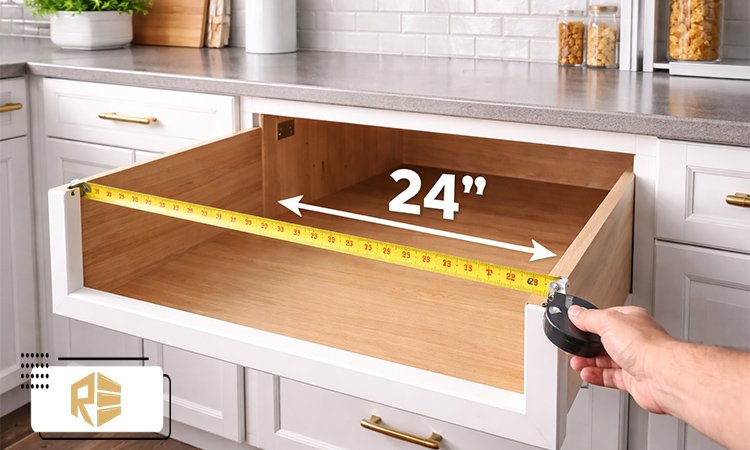
The depth of cabinets plays a crucial role in both the design and functionality of any kitchen. Choosing the right Standard cabinet depth ensures that cabinets not only look balanced but also work efficiently with appliances, kitchen islands, and storage spaces. Proper cabinet depth helps maximize usability while maintaining a cohesive and stylish layout. This article aims to explain Standard cabinet depth, covering standard measurements for base, wall, and tall cabinets, the different types of cabinets available, and important considerations to make when selecting the ideal depth. By understanding these standards, homeowners can create a kitchen that is both practical and visually appealing.
Why Standard Cabinet Depth Matters
The depth of your kitchen cabinets directly affects accessibility, storage efficiency, and overall kitchen functionality. Choosing the proper Standard cabinet depth ensures that you can reach items easily, utilize storage space effectively, and maintain a smooth workflow while cooking or cleaning. Cabinets that are too deep or too shallow can create problems, such as difficulty accessing items, wasted space, or misalignment with countertops and appliances. Adhering to Standard cabinet depth also ensures that cabinets fit perfectly with your kitchen layout, from base cabinets to wall-mounted units and islands. By following these standards, you create a balanced and functional kitchen where every cabinet contributes to both aesthetic appeal and practicality. Properly selected cabinet depth is essential for a kitchen that is organized, efficient, and visually harmonious.
Standard Cabinet Measurements
Understanding the Standard cabinet depth is essential for planning a functional and stylish kitchen. For base cabinets, which form the foundation of most kitchens, the typical depth is 24 inches (61 cm). This measurement allows for adequate countertop overhang and sufficient interior storage space while keeping items within easy reach. Wall cabinets, mounted above countertops, generally have a depth ranging from 12 to 15 inches (30–38 cm), ensuring they do not obstruct the workspace below while providing practical storage for dishes and pantry items.
For kitchen islands and custom cabinets, depth can vary depending on design and space availability. However, even these units should adhere closely to Standard cabinet depth guidelines to maintain consistent proportions and proper alignment with surrounding cabinetry and appliances. By following these measurements, homeowners can create a kitchen layout that is both efficient and visually balanced. Adhering to Standard cabinet depth not only improves usability but also ensures that all elements of the kitchen, from countertops to appliances, work seamlessly together, resulting in a harmonious and practical space.
Types of Cabinets and Their Depths
Base Cabinets
Base cabinets form the foundation of most kitchens and have a Standard cabinet depth of 24 inches (61 cm). This depth is ideal for countertop installation, accommodating sinks and appliances, and providing ample storage for pots, pans, and other kitchen essentials. Properly following the Standard cabinet depth ensures a comfortable workspace and maintains alignment with other kitchen components.
Wall Cabinets
Wall cabinets, installed above the countertop, typically have a depth ranging from 12 to 15 inches (30–38 cm). This Standard cabinet depth allows for efficient storage without encroaching on workspace below, keeping the kitchen functional while maximizing vertical storage.
Tall Cabinets / Pantry Cabinets
Tall cabinets, including pantry units, vary in depth but generally adhere to Standard cabinet depth guidelines to maintain consistency in design. These cabinets provide extra storage for groceries, small appliances, and cleaning supplies while ensuring easy access and a balanced kitchen layout.
Understanding the Standard cabinet depth for each type of cabinet is essential for designing a kitchen that is both practical and visually harmonious. By adhering to these standards, homeowners can achieve a well-organized, functional, and stylish kitchen space.
Tips for Choosing the Right Cabinet Depth
When planning your kitchen, selecting the proper Standard cabinet depth is crucial for both functionality and aesthetics. First, carefully evaluate the available space and the pathway between cabinets to ensure comfortable movement while cooking or cleaning. Next, consider the placement and size of kitchen appliances such as refrigerators, dishwashers, and ovens; aligning cabinets with these units prevents installation issues and maintains a seamless workflow. Accessibility is another key factor—choosing a Standard cabinet depth that allows easy reach to stored items enhances daily usability. Additionally, balancing depth with countertop overhangs and island placement helps optimize storage and workspace. By following these tips and adhering to Standard cabinet depth guidelines, you can create a kitchen that is both practical and visually balanced, offering maximum convenience without compromising style.
Benefits of Following Standard Cabinet Depth
Adhering to Standard cabinet depth offers numerous advantages for any kitchen. First, it enhances efficiency and ease of use by providing the ideal reach and storage space for daily tasks, making cooking and cleaning more comfortable. Proper cabinet depth also ensures alignment with standard installation and design practices, which simplifies the installation process and helps maintain a cohesive look throughout the kitchen. Following Standard cabinet depth guidelines maximizes storage potential, allowing you to organize utensils, cookware, and pantry items effectively without overcrowding. Additionally, consistent depth across cabinets contributes to a visually balanced and harmonious kitchen design. By selecting the appropriate Standard cabinet depth, homeowners can achieve a functional, stylish, and long-lasting kitchen space that combines practicality with modern aesthetics.
Conclusion
Choosing and adhering to the Standard cabinet depth is essential for creating a kitchen that is both functional and visually balanced. Proper cabinet depth ensures easy access, optimized storage, and alignment with appliances and countertops, making your kitchen practical and professional-looking. By following Standard cabinet depth guidelines, homeowners can achieve a cohesive design that combines style and efficiency. For inspiration and expert advice, explore sample layouts and consult with professional cabinet designers to find the best solution for your space.