
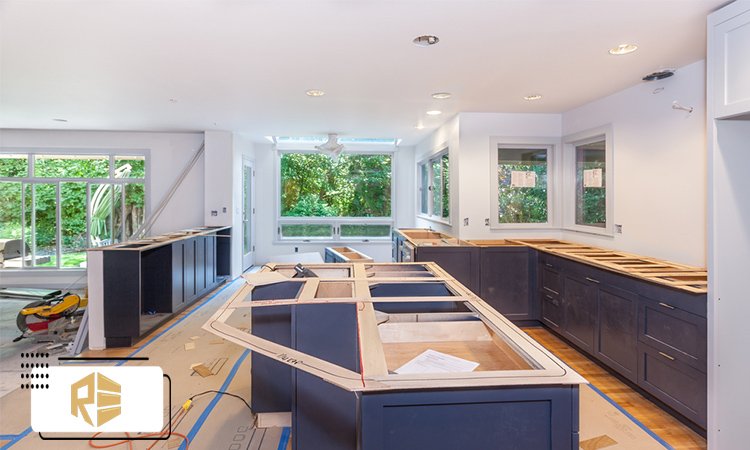
They say the kitchen is the beating heart of every home. It’s where the morning coffee ritual happens, where family recipes are passed down, and where guests naturally congregate during a party. However, when the tiles start to crack, the storage feels cramped, or the aesthetic feels like a time capsule from thirty years ago, the thought of remodeling a kitchen can shift from an exciting dream to a daunting, overwhelming task. Most homeowners feel a rush of adrenaline and want to start by tearing out old cabinets or picking out a flashy new marble countertop immediately.
But where do you truly start? The honest answer is that the first step isn’t physical—it’s mental. Before a single hammer swings, the foundation of a successful project lies in comprehensive planning and setting a realistic budget.
Understanding the proper sequence of remodeling a kitchen is the only way to safeguard your investment. Without a clear roadmap, you risk facing expensive “change orders,” shipping delays, or finding out too late that your new professional-grade range doesn’t fit your plumbing layout. By starting with a strategic plan, you ensure that every dollar spent at Reza Custom Cabinet translates into a space that is as functional as it is beautiful, saving you months of stress and unnecessary expenses.
Inspiration and Defining Your Needs
Before you dive into technical drawings, you must first identify the “why” behind your project. Successful remodeling a kitchen begins with a deep dive into your current lifestyle. Start by making a list of what isn’t working in your current space. Is it a lack of storage that leaves your counters cluttered? Is the layout so cramped that two people can’t cook at once? Or is it simply a matter of an outdated aesthetic that no longer brings you joy? Recognizing these pain points ensures that your new kitchen isn’t just prettier, but significantly more functional.
Once you’ve identified the problems, it’s time for the fun part: finding your style. Explore popular design movements to see where your taste lies:
- Modern: Sleek lines, minimalist hardware, and flat-panel custom cabinets.
- Traditional: Ornate detailing, raised-panel doors, and a warm, timeless feel.
- Transitional: The perfect middle ground, blending the comfort of traditional styles with the clean profiles of modern design.
Expert Pro Tip: While it’s tempting to follow the latest viral trends, remember the importance of architectural harmony. When remodeling a kitchen, ensure the style of your custom cabinets complements the rest of your home. A ultra-modern kitchen in a rustic Mediterranean villa can feel disjointed; aiming for a cohesive flow increases both your daily enjoyment and the long-term resale value of your property.
Hiring the Right Professionals
Once your vision and budget are aligned, the next critical step in remodeling a kitchen is assembling your team. Many homeowners wonder if they should simply hire a general contractor or seek out specialized artisans. While a general contractor is excellent for managing the overall construction, plumbing, and electrical work, they often lack the specialized eye required for high-end cabinetry—the very element that defines the room’s character.
This is where the distinction between a generalist and a custom cabinet designer becomes vital. A specialist focuses on the “micro-details”: the precise grain of the wood, the soft-close hinge tension, and the mathematical optimization of your storage space. When remodeling a kitchen, choosing a skilled cabinet maker like Reza Custom Cabinet is often the deciding factor in the project’s final success.
Why does this matter? Custom builders don’t just “fill a space” with pre-made boxes; they craft solutions tailored to your specific walls and lifestyle. This expertise ensures that there are no awkward gaps, no wasted corners, and that every inch of your kitchen is utilized. By partnering with experts who live and breathe cabinetry, you transition from a standard renovation to a bespoke masterpiece that stands the test of time.
Once the vision is clear, it’s time for the most critical conversation: the numbers. Determining how much to spend is often the most stressful part of remodeling a kitchen, but a well-defined budget is actually your best tool for making confident decisions. A common industry rule of thumb is to invest between 10% and 15% of your home’s total value into a kitchen remodel. For example, if your home is valued at $500,000, a budget of $50,000 to $75,000 is a safe range that typically yields a high return on investment (ROI).
When allocating your funds, prioritization is key. In almost every high-quality project, custom cabinets represent the largest portion of the budget, often accounting for 30% to 40% of the total cost. This is because cabinetry serves as the structural and aesthetic skeleton of the room; it’s the one area where skimping on quality will show immediately in terms of durability and finish.
Finally, never spend your last dollar on the initial plan. When remodeling a kitchen, surprises are practically guaranteed—whether it’s outdated wiring found behind a wall or a slight shift in material costs. Always set aside a 10% contingency fund for these unforeseen circumstances. Having this financial “cushion” ensures that a minor hiccup doesn’t bring your entire renovation to a grinding halt.
Planning the Layout and Functionality
With your team in place, it’s time to move from inspiration to the drawing board. This is arguably the most technical stage of remodeling a kitchen, as a beautiful kitchen that functions poorly will quickly become a source of frustration. The cornerstone of any efficient kitchen design is the “Golden Triangle” concept. This principle dictates the ideal spacing between your three most-used areas: the refrigerator, the stove, and the sink. When these three points are positioned in a clear, unobstructed triangle, your workflow becomes seamless, reducing unnecessary steps while you cook.
However, a great layout isn’t just about furniture placement; it’s about what lies beneath the surface. This is the moment to honestly assess your infrastructure. Are you planning to move the sink to a kitchen island? Do you want a high-powered professional range that requires a dedicated gas line or upgraded electrical circuits? Addressing these plumbing and electrical needs early in the process of remodeling a kitchen prevents the nightmare of having to tear open newly installed walls or cabinets later.
Finally, the success of your custom cabinetry hinges on precise measurements. Even a fraction of an inch can be the difference between a flawless, built-in look and a cabinet door that hits the refrigerator handle. When working with Reza Custom Cabinet, this phase involves a meticulous site survey to account for every wall angle, window casing, and floor level. These exact specifications ensure that when your custom pieces arrive, they fit your unique space like a glove, maximizing every square inch of storage.
Selection of Materials and Details
With the layout finalized, you enter the stage where the kitchen’s personality truly comes to life. This is where you select the textures and finishes that will define the space for years to come. In the world of remodeling a kitchen, materials aren’t just about aesthetics; they are about durability and how the room stands up to daily wear and tear.
Cabinets: The Backbone of Your Kitchen
As the most prominent visual and functional element, your cabinets set the tone for the entire project. When working on remodeling a kitchen, you must consider three main factors for your cabinetry:
- Material: From high-quality hardwoods to modern medium-density fiberboards with premium veneers, the choice affects both longevity and price.
- Color & Finish: Whether you prefer a natural wood stain, a matte painted finish, or high-gloss acrylic, the color will be the primary driver of the room’s mood.
- Hardware: Often called the “jewelry” of the kitchen, the knobs, pulls, and hinges are the tactile details you’ll touch every single day.
Countertops, Flooring, and Lighting
Next, you must coordinate your surfaces. Countertops need to be heat-resistant and easy to clean—quartz, granite, and marble are the gold standards for those seeking both beauty and performance. For flooring, durability is paramount; options like luxury vinyl plank (LVP) or porcelain tile are popular because they handle spills and heavy foot traffic with ease. Finally, don’t overlook lighting. A layered approach—combining recessed ceiling lights, under-cabinet task lighting, and decorative pendants—ensures your kitchen is functional for cooking and inviting for entertaining.
Demolition and Preparation
Once the materials are ordered and the plans are set, the physical transformation begins. This phase is often the loudest and messiest part of remodeling a kitchen, but it’s where the old makes way for the new.
- Waste Management: Proper demolition isn’t just about swinging a sledgehammer; it’s about strategic removal. Professional teams ensure that debris is hauled away responsibly and that existing structures you plan to keep (like flooring or adjacent walls) are protected from dust and damage.
- Mechanical Rough-in: With the walls opened up, it’s the ideal time for “rough-in” work. This involves installing or updating the internal skeleton of your kitchen: the plumbing lines, electrical wiring for new outlets, and HVAC ducting for your range hood. Doing this before the walls are closed ensures that your remodeling a kitchen project meets modern building codes and safety standards.
Installation and Finishing
This is the stage where your vision finally becomes a reality. It requires the highest level of craftsmanship and patience, as several layers of the project must be perfectly synchronized.
- Cabinet Installation: As the backbone of the room, installing the cabinets is the most critical and time-sensitive step. Since floors and walls are rarely perfectly level, your installers must use precision shimming to ensure every unit is perfectly plumb. When remodeling a kitchen, a flawless cabinet installation provides the level base required for everything that follows.
- Countertops and Backsplash: Once the base cabinets are secured, the countertops are templated and installed. Following the heavy stone or quartz, the backsplash is added, serving as both a protective layer for your walls and a major design statement.
- Final Connections: The last pieces of the puzzle involve the “trim-out.” This includes hooking up the sink and faucet, installing the appliances into their custom-fitted slots, and adding the final light fixtures.
Your Roadmap to Success
Remodeling a kitchen is a complex journey, but it doesn’t have to be a stressful one. By following a structured path—starting with careful planning and budgeting, moving through professional design and material selection, and concluding with expert installation—you can transform the most important room in your house into a functional work of art.
Remember, the keys to a successful remodel are patience and the right team. While the process involves many moving parts, partnering with dedicated specialists like Reza Custom Cabinet ensures that the final result isn’t just a new kitchen, but the kitchen of your dreams. Start with a solid plan, choose quality over shortcuts, and soon you’ll be enjoying the heart of your home like never before.
Frequently Asked Questions (FAQ)
How long does remodeling a kitchen typically take?
Depending on the scale and complexity, a full remodel usually takes between 6 to 12 weeks from demolition to final walkthrough.
What is the most expensive part of remodeling a kitchen?
Typically, cabinetry is the largest investment, often accounting for 30% to 40% of the total project cost.
Should I buy appliances before or after cabinet design?
You should select your appliances before finalizing your cabinet design. This allows the builder to incorporate exact dimensions into the layout.
Can I live in my house during the remodel?
Yes, many homeowners do. However, you should plan to set up a temporary “kitchenette” in another room to handle basic meal prep while the main area is under construction.