
Custom Built-In Bookshelves can transform unused wall space into practical storage while adding character and architectural detail to a home. Unlike freestanding bookcases, built-in shelving is designed around the room’s dimensions, ceiling height, furniture arrangement, and storage requirements. This makes it possible to create a more organized space without unnecessarily reducing the usable floor area.
Whether you want a living room library, a functional home office, or additional storage in a small bedroom, the right design should reflect how you actually use the room. Shelf depth, material strength, cabinet placement, lighting, and accessibility all affect the final result. A beautiful bookshelf that cannot accommodate your books or becomes difficult to maintain will not deliver the same long-term value as a carefully planned installation. In this guide, we explore practical Custom Built-In Bookshelves ideas for different rooms, explain how to select suitable materials and dimensions, and highlight the decisions that help homeowners avoid common design and installation problems.
Create a Living Room Library That Combines Display and Storage
The living room is an excellent location for Custom Built-In Bookshelves because a well-designed installation can function as both a storage system and a focal point. A full-height bookshelf creates a strong architectural feature, while shelving around a television or fireplace helps connect separate elements into a cohesive design. The most effective layouts combine open shelves with closed cabinets. Open sections are ideal for books, framed photographs, and decorative objects, while lower cabinets can hide electronics, board games, blankets, and other everyday belongings.
Before choosing the layout, consider the position of your sofa, television, fireplace, and windows. Shelves should not obstruct natural light, interfere with equipment access, or make walkways feel narrow. If the room already contains cabinetry, matching the finishes and hardware can help the new bookshelf feel like part of the original design.
For smaller living rooms, consider a wall-mounted visual arrangement with a combination of shallow upper shelves and enclosed lower storage. This provides useful capacity without making the room feel unnecessarily heavy.
Design a Home Office Bookshelf That Improves Everyday Productivity
A home office needs storage that keeps important materials accessible and the work surface organized. Custom Built-In Bookshelves can accommodate reference books, binders, documents, office equipment, and display items while creating a professional background for video calls. A practical solution is to combine a built-in desk with shelving above and cabinets or drawers below. This arrangement uses one wall efficiently and reduces the need for separate furniture. Adjustable shelves are especially useful if your collection includes books of different heights or storage requirements that may change over time.
For an office bookshelf to work effectively, plan its contents before deciding on the final dimensions.
- Place frequently used books and documents between waist and eye level for easier access.
- Reserve lower cabinets or drawers for stationery, paperwork, and small office equipment.
- Include cable management and suitable access to electrical outlets when integrating computers, printers, or task lighting.
These details make the shelving more useful than a design based entirely on appearance. If your office is compact, leaving some wall space visually open can also help the workspace feel less crowded.
Add Bedroom Storage Without Taking Up Valuable Floor Space
Bedrooms often contain unused wall areas that can accommodate bookshelves without introducing another freestanding piece of furniture. Built-in shelving beside a bed, around a window, or along an empty wall can create additional storage while maintaining a consistent interior style. In a small bedroom, narrow shelves may be enough for paperbacks, photographs, and personal items. A design that combines shelving with closed cabinets provides space for belongings that should remain out of sight. This is particularly useful when closet capacity is limited.
Another option is a built-in headboard with integrated shelves or bedside storage. However, the design must leave enough room for reading lights, charging devices, and frequently used personal items. Shelves that project too far into the sleeping area can make movement uncomfortable. Finish selection also affects the overall impression. Light-colored cabinetry can help a compact room feel more open, while natural wood introduces warmth and texture. Matching the shelves to the wall color creates a subtle appearance, whereas a contrasting finish can turn the installation into a deliberate focal point.
Turn Awkward Corners and Unused Alcoves into Functional Storage
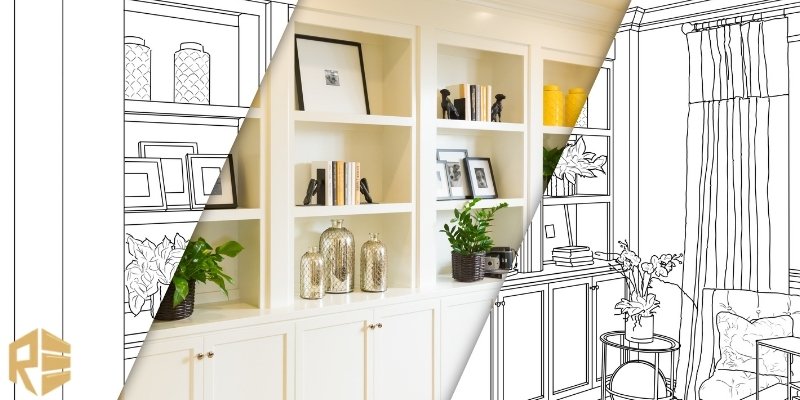
Not every home has a large, uninterrupted wall for a library. Narrow alcoves, corners, spaces beside fireplaces, and areas beneath staircases can provide valuable opportunities for custom shelving. An alcove bookshelf can fit into a recess that would be difficult to furnish with a standard bookcase. Corner shelving can accommodate smaller collections without occupying the center of a room, while under-stair storage can transform an overlooked area into a functional part of the home.
Accurate measurements are particularly important for these projects. Walls may not be perfectly square, ceilings may slope, and existing baseboards or trim can affect the available space. These conditions should be identified before fabrication rather than corrected through improvised adjustments during installation.
Accessibility also deserves attention. Using every inch of vertical space is not always the most practical solution if the upper shelves are difficult to reach. Frequently used items should remain accessible, while decorative objects and less frequently needed books can occupy higher sections.
Choose the Right Shelf Dimensions and Materials for Long-Term Durability
The durability of Custom Built-In Bookshelves depends on more than the appearance of the finished surface. Shelf dimensions, material thickness, support spacing, and the weight of stored items all influence performance. For many standard books, a shelf depth of approximately 10 to 12 inches provides a useful starting point. Oversized art books, large binders, and decorative objects may require additional depth. Measuring the items you intend to store before construction helps prevent wasted space and poorly fitting shelves.
Material selection should reflect the design, budget, and expected load. Plywood is commonly used in cabinet construction, solid wood offers distinctive grain and finishing options, and suitable engineered panels can provide consistent surfaces when properly specified.
Before approving the design, pay attention to the following considerations:
- Shelf thickness and support: Long shelves carrying heavy books may need thicker panels, shorter unsupported spans, or intermediate supports to reduce sagging.
- Material and finish: Choose materials appropriate for the intended load and select a finish that complements the room while tolerating regular cleaning.
- Shelf spacing: Measure your tallest books and allow practical clearance so that items can be removed without scraping the shelf above.
- Weight distribution: Place heavier books on lower shelves when possible and ensure the entire unit is properly secured according to its construction and installation requirements.
Custom Built-In Bookshelves Dimensions and Material Guide
| Design Factor | Recommended Approach | Main Benefit |
|---|---|---|
| Standard Book Depth | Around 10–12 inches | Fits many everyday books |
| Oversized Books | Measure the largest items before construction | Prevents insufficient shelf depth |
| Shelf Spacing | Adjust according to book height | Reduces wasted vertical space |
| Long Shelves | Select suitable thickness and support spacing | Helps prevent shelf sagging |
| Heavy Books | Use proper structural support and consider lower shelves | Improves accessibility and stability |
| Shelf Materials | Plywood, solid wood, or suitable engineered panels | Balances durability, appearance, and budget |
| Closed Storage | Add cabinets or drawers where needed | Keeps clutter out of sight |
| Integrated Lighting | Plan wiring and fixture placement before installation | Improves visibility and highlights displays |
These guidelines provide a starting point for planning Custom Built-In Bookshelves. Final dimensions and material specifications should be determined by the size and weight of the stored items, the shelf span, and the installation requirements. A professional cabinetmaker can help select appropriate materials, calculate support requirements, and ensure that the finished design fits the room.
Combine Open Shelving, Cabinets, and Drawers for Better Organization
A practical bookshelf does not need to display every item. Combining open shelves with closed cabinets and drawers allows you to showcase books and decorative objects while keeping everyday clutter out of sight. Open shelving works well for frequently accessed books, artwork, and collectibles. Closed cabinets are better suited to paperwork, electronics, games, and household supplies. Drawers can organize smaller objects that might otherwise become scattered across shelves.
The ideal balance depends on the room. A reading room may benefit from extensive open shelving, while a family living room often needs more concealed storage. A home office may require a combination of open reference shelves and enclosed cabinets for documents. Cabinet doors, hardware, and finishes should complement the existing interior. Flat-front doors work well in contemporary spaces, while framed doors and decorative molding may suit traditional interiors. Consistency between the shelving, surrounding cabinetry, and architectural details helps create a more intentional result.
Use Lighting and Finishes to Highlight Your Built-In Bookshelves
Lighting can make a bookshelf easier to use while emphasizing its architectural details. Integrated LED strips, recessed fixtures, or carefully positioned accent lights can illuminate book spines and display objects without relying entirely on overhead lighting. Plan the lighting before construction begins. This allows wiring routes, fixture positions, and maintenance access to be incorporated into the design. Electrical work should be completed by a qualified professional when required.
The finish should also support the room’s overall style. Warm wood tones introduce natural texture, neutral finishes create a quieter appearance, and darker cabinetry can establish a dramatic library effect when balanced with appropriate lighting. For a durable installation, consider how frequently the shelves will be touched and cleaned. A suitable finish protects the surface against everyday wear and helps preserve its appearance. The final choice should balance visual appeal, maintenance requirements, and the material’s characteristics.
Plan the Installation Around Existing Walls, Trim, and Electrical Features
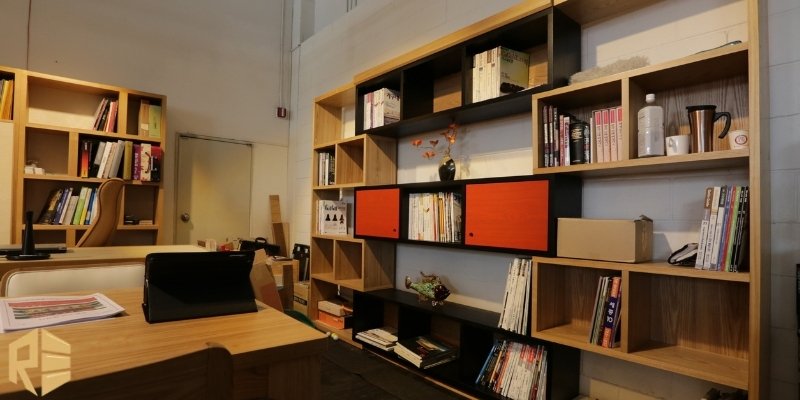
A successful built-in bookshelf should look as though it belongs in the room. Achieving this requires careful attention to ceiling height, baseboards, crown molding, wall irregularities, outlets, switches, and ventilation openings. Before fabrication, measure the full installation area and identify anything that could affect the layout. Check whether the wall can support the intended installation and determine the appropriate anchoring method, particularly when the unit will carry heavy books.
Homeowners planning broader storage improvements may benefit from coordinating bookshelves with other cabinetry. For example, Custom cabinets in carmel valley can be planned as part of a consistent storage design across different areas of a home. It is also important to distinguish between refreshing existing cabinet surfaces and building a new storage structure. San Diego cabinet refacing may improve the appearance of suitable existing cabinets, but it will not necessarily correct an unsuitable shelf layout or insufficient structural support.
For a new built-in project, professional Cabinet installation in San Diego can help ensure accurate fitting, appropriate anchoring, and a clean finish around existing architectural details.
Understand the Main Factors That Affect Custom Bookshelf Costs
The cost of Custom Built-In Bookshelves varies according to the installation’s dimensions, materials, design complexity, finish, and labor requirements. A straightforward shelving unit generally requires fewer components than a floor-to-ceiling library with lower cabinets, decorative molding, integrated lighting, and custom hardware. Material selection can influence the budget considerably. Premium wood species, specialized finishes, glass-front doors, and intricate trim may increase the investment. Uneven walls, difficult access, and electrical modifications can also add complexity.
When comparing estimates, make sure each proposal covers comparable specifications. Ask about material types, shelf thickness, cabinet quantity, hardware, finishing, delivery, installation, and final adjustments. Clarify whether preparation and any additional work are included in the quoted price. A practical budgeting strategy is to prioritize structural quality and everyday usability before decorative upgrades. Strong shelves, a suitable layout, durable finishes, and reliable installation provide the foundation for a long-lasting result. Lighting and specialty hardware can then be selected according to the remaining budget.
Prepare a Clear Design Brief Before Hiring a Custom Cabinetmaker
A successful project begins with a clear understanding of what the bookshelf needs to accomplish. Rather than selecting a design based only on an inspiration photograph, consider how the finished unit will be used every day.
Before requesting a quote, prepare the following information:
- Room measurements: Record wall width, ceiling height, available depth, and the positions of windows, doors, outlets, and existing trim.
- Storage requirements: Estimate the number and size of books, binders, decorative objects, and other belongings the unit must accommodate.
- Design preferences: Identify your preferred materials, colors, cabinet styles, lighting options, and the balance between open and closed storage.
- Budget and timeline: Establish a realistic spending range and ask about design approval, fabrication, delivery, installation, and possible additional costs.
A custom cabinetmaker can use this information to develop a design that balances appearance, functionality, and construction requirements. Before approving the project, review the proposed dimensions, material specifications, shelf arrangement, and finish selections.
Reza Custom Cabinet & Vanity offers a relevant starting point for homeowners exploring custom cabinetry and built-in storage solutions in San Diego County. Reviewing applicable project examples and discussing your requirements can help you evaluate whether the proposed design suits your home.
Conclusion
Custom Built-In Bookshelves provide a practical way to combine organization, efficient space usage, and interior design. From living room libraries and productive home offices to compact bedrooms and unused alcoves, a tailored installation can improve how a home functions without relying on additional freestanding furniture.
The best results come from planning shelf dimensions, structural support, materials, lighting, and concealed storage before construction begins. Measuring your belongings and understanding how each room is used will help you avoid wasted space and create a more useful layout. For homeowners considering a custom solution, working with an experienced cabinetmaker can help turn an initial idea into a well-fitted installation. By prioritizing functionality, durable construction, and a finish that complements the home, you can create built-in bookshelves that remain attractive and useful for years.
Frequently Asked Questions About Custom Built-In Bookshelves
- Are Custom Built-In Bookshelves better than freestanding bookcases?
Built-in bookshelves are often preferable when you need a precise fit, integrated storage, or a cohesive architectural appearance. Freestanding bookcases are generally easier to relocate and may require a smaller initial investment. The right choice depends on your space, budget, and long-term plans.
- What is the ideal depth for custom built-in bookshelves?
A depth of approximately 10 to 12 inches works for many standard books. Oversized books and decorative objects may require more space. Measure your collection before finalizing the design to ensure that the shelves accommodate the items you actually own.
- Can built-in bookshelves include cabinets and drawers?
Yes. Custom shelving can combine open displays with lower cabinets, drawers, and specialized compartments. This arrangement makes it possible to display books while keeping office supplies, electronics, and household belongings organized and out of sight.