
When designing or remodeling a kitchen, many homeowners focus on cabinet style, color, and materials. However, one detail that often raises questions is crown molding. You may wonder: Do kitchen cabinets need crown molding?
The short answer is no—kitchen cabinets do not technically need crown molding. However, adding crown molding can significantly improve the visual appearance of your kitchen and create a more finished, elegant look. In many cases, crown molding helps cabinets blend seamlessly with the rest of the kitchen design.
In this guide, we will explain what crown molding is, when it makes sense to add it to kitchen cabinets, and when it might not be necessary.
What Is Crown Molding on Kitchen Cabinets?
Crown molding is a decorative trim installed at the top of cabinets where they meet the ceiling or the wall above them. Its main purpose is aesthetic rather than functional.
In traditional and luxury kitchens, crown molding adds architectural detail and helps cabinets appear more custom and high‑end. It also softens the transition between cabinets and the ceiling, making the kitchen feel more complete and polished.
Crown molding comes in many styles, from simple modern designs to ornate traditional profiles. The right choice depends on the overall design of your kitchen.
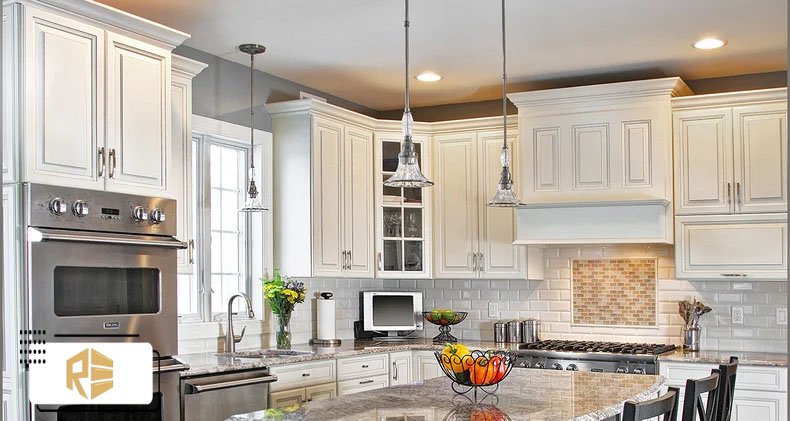
If you need professional Cabinet installation in San Diego, this company offers custom design, quality craftsmanship, and tailored solutions for every space.
Do Kitchen Cabinets Really Need Crown Molding?
Technically, kitchen cabinets can function perfectly without crown molding. The decision usually depends on the overall design style, cabinet height, and personal preference.
In many modern kitchens, cabinets without crown molding can look clean and minimal. On the other hand, traditional kitchens often use crown molding to create a more decorative and finished appearance.
So while crown molding is not required, it can enhance the design of your kitchen depending on your goals.
Benefits of Adding Crown Molding to Kitchen Cabinets
Adding crown molding can provide several design benefits. Many homeowners choose it because it enhances the overall visual impact of their cabinetry.
Creates a Finished Look
One of the biggest advantages of crown molding is that it gives cabinets a completed, polished appearance. Without it, the top of cabinets can sometimes look unfinished, especially if there is space between the cabinets and the ceiling.
Crown molding fills this gap and creates a smoother transition between the cabinets and the ceiling.
Makes Cabinets Look More Custom
Stock cabinets can sometimes look basic or standard. Adding crown molding can instantly make them look more like custom cabinetry. This is why crown molding is often used in higher‑end kitchens.
The added trim gives cabinets more depth and architectural detail.
Improves Kitchen Aesthetics
Crown molding adds visual interest and character to your kitchen. It can complement other design elements such as backsplashes, countertops, and lighting fixtures.
In many homes, crown molding helps tie the entire kitchen design together.
Helps Hide Gaps
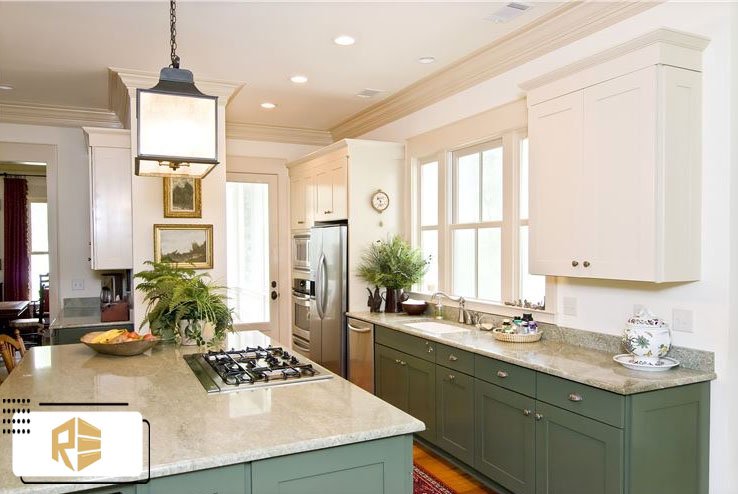
If there is space between the top of your cabinets and the ceiling, crown molding can hide that gap. This can make the cabinetry look taller and more integrated with the room.
When Crown Molding Is a Good Idea
There are several situations where adding crown molding makes sense for kitchen cabinets.
- Cabinets That Do Not Reach the Ceiling
- If your cabinets stop a few inches below the ceiling, crown molding can fill the space and make the cabinets appear taller. This creates a more seamless look.
Traditional or Classic Kitchen Designs
Traditional kitchens often include decorative elements like crown molding, raised panel doors, and detailed trim. In these designs, crown molding helps maintain the classic style.
High‑End or Custom Kitchen Projects
- If you are investing in a luxury kitchen remodel, crown molding can add a level of sophistication and detail that enhances the overall design.
- When Crown Molding May Not Be Necessary
- Although crown molding can enhance many kitchens, it is not always the best choice.
Modern or Minimalist Kitchens
In modern kitchens, clean lines and simple designs are often preferred. In these cases, cabinets without crown molding can look more sleek and contemporary.
Full‑Height Cabinets
If your cabinets already reach the ceiling, crown molding may not be necessary. The cabinets themselves already create a seamless vertical line.
Budget‑Focused Remodels
While crown molding is not extremely expensive, it does add to the cost of cabinetry installation. Homeowners working with a tight budget may choose to skip it.
Types of Crown Molding for Kitchen Cabinets
If you decide to add crown molding, there are several styles to choose from.
Traditional Crown Molding
Traditional crown molding features curved profiles and decorative shapes. It works well with classic or transitional kitchens.
Modern Crown Molding
Modern crown molding has simpler lines and minimal detailing. It is ideal for contemporary kitchens.
Stacked Crown Molding
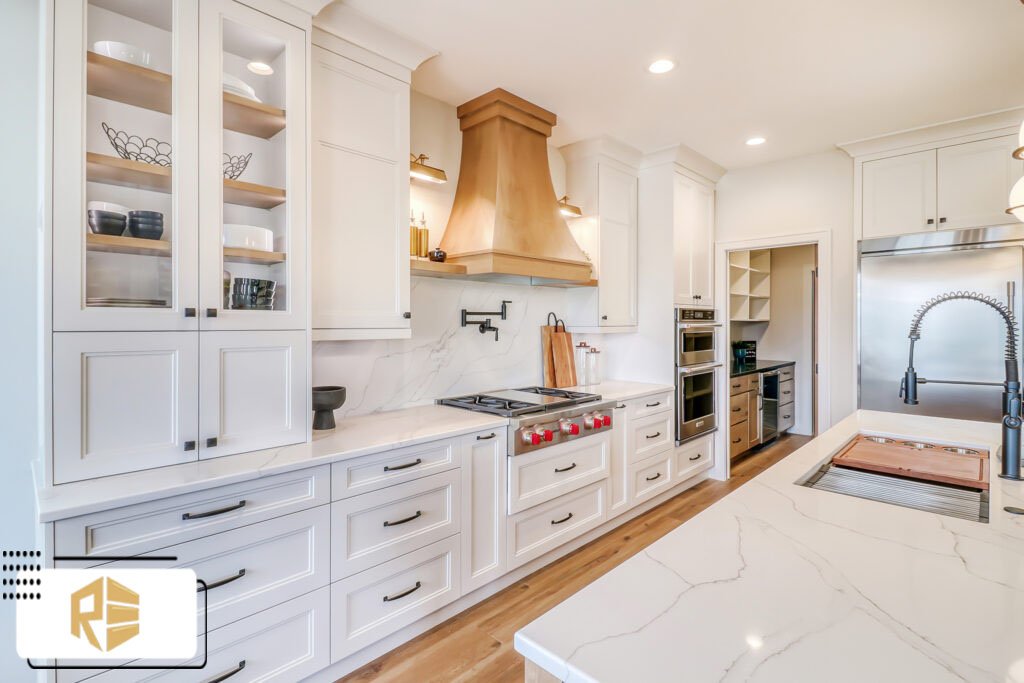
Some high‑end kitchens use multiple layers of molding stacked together. This creates a dramatic and luxurious appearance.
How Crown Molding Is Installed on Cabinets
Installing crown molding typically involves attaching trim pieces to the top of the cabinet frames. In many cases, a small support board or molding riser is used to provide a secure surface for installation.
Professional cabinet installers ensure the molding is properly aligned and cut at the correct angles so that the corners look clean and seamless.
Proper installation is important because poorly installed crown molding can look uneven or misaligned.
Does Crown Molding Increase Home Value?
While crown molding alone will not dramatically increase the value of a home, it can contribute to a more polished and high‑quality kitchen design.
Kitchens are one of the most important areas for homebuyers. Small design upgrades like crown molding can make cabinets look more upscale, which may positively influence buyer perception.
In many cases, crown molding helps create a kitchen that feels more complete and professionally designed.
Crown Molding vs. Flat Cabinet Tops
Some homeowners choose flat cabinet tops instead of crown molding. Both options can look great depending on the design style.
- Crown molding works well in traditional kitchens and homes with detailed architectural elements.
- Flat cabinet tops are often preferred in modern kitchens where simplicity and clean lines are the focus.
- Choosing between the two usually depends on the overall design direction of the kitchen.
Final Thoughts
So, do kitchen cabinets need crown molding? The answer depends on your design goals, kitchen style, and personal preference.
Crown molding is not required for kitchen cabinets, but it can add elegance, character, and a more finished appearance to your space. For traditional and custom kitchens, crown molding is often a valuable design feature. For modern kitchens, however, a simpler cabinet design may be the better choice.
If you are planning a kitchen remodel or installing new cabinets, working with experienced cabinet professionals can help you choose the best design details for your space.
Frequently Asked Questions
- Is crown molding necessary for kitchen cabinets?
No, crown molding is not necessary for kitchen cabinets to function properly. It is mainly a decorative feature that enhances appearance.
- Does crown molding make cabinets look more expensive?
Yes, crown molding can make cabinets appear more custom and high‑end, especially in traditional kitchen designs.
- Can you add crown molding to existing cabinets?
Yes, crown molding can often be added to existing cabinets, depending on their design and structure.
- Do modern kitchens use crown molding?
Many modern kitchens avoid crown molding to maintain clean, minimalist lines. However, simple molding profiles can still work in some contemporary designs.