
Kitchen cabinets are exposed to more than everyday wear and tear. Every time someone cooks, boils water, runs a dishwasher, or cleans the kitchen, moisture, heat, grease, and airborne particles enter the surrounding environment. Without proper ventilation, these elements can gradually affect cabinet materials, finishes, hinges, and interior storage spaces. This is why Kitchen Cabinet Ventilation is an important part of maintaining a durable and functional kitchen.
For homeowners investing in Kitchen cabinets San Diego, ventilation deserves attention from the beginning of the design process. Even high-quality cabinetry can experience premature deterioration when moisture becomes trapped around or inside cabinets. Proper airflow helps maintain a more stable environment, reduces condensation, and protects the materials used in cabinet construction. Understanding how ventilation works and how it should be incorporated into kitchen design can help homeowners avoid unnecessary repairs and extend the useful life of their cabinetry.
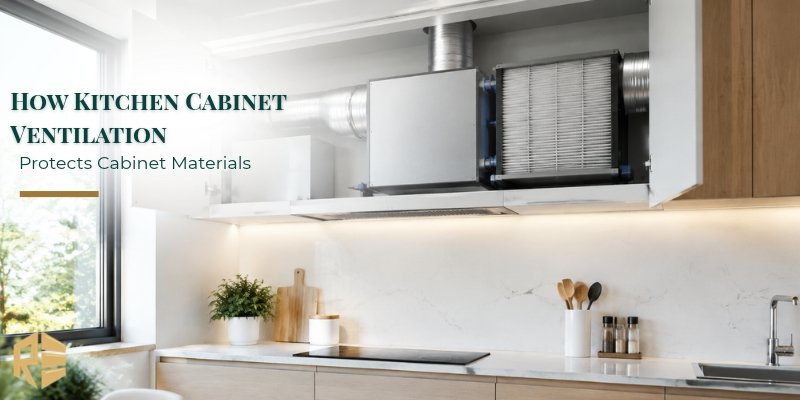
How Kitchen Cabinet Ventilation Protects Cabinet Materials
Kitchen ventilation is not simply about removing unpleasant cooking odors. It also helps control the environmental conditions that affect cabinet materials over time. Cooking releases water vapor, while dishwashers and sinks introduce additional sources of moisture. When warm, humid air cannot escape effectively, it may collect around cabinet surfaces and enter small gaps between components.
Wood and engineered wood products can respond to prolonged moisture exposure through swelling, dimensional changes, deterioration of edges, or damage to protective finishes. Repeated temperature and humidity fluctuations can also place stress on cabinet joints and connections.
Proper airflow helps reduce these risks by allowing humid air to move away from enclosed areas. It also supports faster drying after routine kitchen activities.
Preventing Moisture Accumulation Inside Cabinets
Moisture can accumulate in locations that homeowners rarely inspect, including the back panels of sink cabinets, corners behind appliances, and enclosed storage compartments. These areas may have limited air circulation, especially when cabinets are installed tightly against walls.
When moisture remains trapped, cabinet interiors may develop musty odors, discoloration, or visible mold growth. Prolonged dampness can also weaken certain wood-based materials.
To reduce these problems, homeowners should:
- Avoid storing damp cleaning cloths inside enclosed cabinets.
- Dry cabinet interiors immediately after spills or plumbing leaks.
- Check the areas beneath kitchen sinks regularly.
- Avoid blocking existing ventilation openings.
- Keep cabinet interiors organized to prevent unnecessary airflow restrictions.
These small habits help maintain a drier environment and reduce the likelihood of moisture-related deterioration.
Reducing Heat-Related Damage to Cabinet Finishes
Heat is another factor that affects cabinet longevity. Ovens, cooktops, dishwashers, and other kitchen appliances generate heat during normal operation. When hot air remains trapped around nearby cabinetry, repeated exposure may affect certain finishes, adhesives, and protective coatings.
Ventilation helps move excess heat away from appliance zones. However, ventilation should be combined with proper installation clearances and manufacturer-recommended heat protection. An exhaust fan alone cannot compensate for inadequate spacing around a cooking appliance.
The Most Important Areas That Need Better Airflow
Not every cabinet requires the same ventilation strategy. Some areas experience significantly more moisture and heat than others. Identifying these locations during kitchen planning makes it easier to prevent problems before they develop.
Cabinets Around the Kitchen Sink
Sink cabinets are particularly vulnerable because plumbing connections, drainpipes, cleaning products, and occasional water leaks are concentrated in a relatively enclosed space. Even a small leak can remain unnoticed for days if the cabinet interior is crowded. Homeowners should periodically inspect pipe connections, cabinet flooring, and the interior corners of sink units. Leaving sufficient access for plumbing inspection and avoiding unnecessary obstructions can make these cabinets easier to maintain.
Cabinets Near Dishwashers
Dishwashers release heat and moisture during their operating cycles. Steam may escape when the door opens, while poorly sealed connections or installation problems can allow moisture to affect nearby cabinet panels.
Proper dishwasher installation is essential. Door alignment, manufacturer-specified clearances, vapor protection, and countertop protection should all be considered. Homeowners should also allow steam to dissipate before closing nearby enclosed spaces when practical.
Cabinets Above and Beside Cooking Appliances
Cabinets located close to cooktops and ovens are exposed to repeated temperature changes, grease particles, and cooking-related moisture.
A properly selected range hood helps capture and remove airborne contaminants before they spread throughout the kitchen. Cabinet materials, finishes, and installation clearances should also be selected according to the appliance manufacturer’s specifications.
Choosing the Right Kitchen Ventilation System
A successful ventilation plan combines effective air extraction with appropriate air circulation. The best option depends on the kitchen layout, cooking habits, appliance types, and available ducting routes.
Range Hoods for Removing Moisture and Cooking Residue
Range hoods are among the most important components of kitchen ventilation. They capture steam, grease, odors, and other airborne particles produced during cooking.
There are two common configurations:
Ducted range hoods: These systems move captured air through ductwork and discharge it outdoors. They are generally preferable for removing moisture from the kitchen. Recirculating range hoods: These systems pass air through filters and return it to the room. They can help reduce odors and some airborne particles, but they do not remove moisture from the home in the same way as an outdoor-vented system. The range hood should be appropriately sized for the cooking appliance and kitchen layout. Duct diameter, length, bends, and installation quality can all influence performance.
Natural Air Circulation and Cross-Ventilation
Windows and doors can support natural air movement, particularly when outdoor conditions are suitable. Opening windows on opposite sides of a space may create cross-ventilation, helping fresh air move through the kitchen.
However, natural airflow is not always reliable. Weather conditions, outdoor humidity, security concerns, and the kitchen’s architectural layout can limit its effectiveness. For this reason, natural ventilation should complement rather than automatically replace mechanical kitchen exhaust.
Ventilation Around Built-In Appliances
Built-in ovens, refrigerators, and dishwashers may require specific ventilation spaces to operate correctly. These requirements vary by manufacturer and appliance model.
Cabinet designs should account for ventilation openings, appliance clearances, and access to service components before fabrication begins. Covering an appliance’s required air intake or exhaust opening with decorative panels can interfere with its operation and potentially shorten its service life.
Kitchen Cabinet Ventilation Problems and Their Warning Signs
Cabinet deterioration often begins gradually. Recognizing early warning signs can help homeowners identify ventilation or moisture problems before they require extensive repairs.
Common indicators include:
- Musty smells: Persistent odors inside cabinets may indicate trapped moisture or hidden mold growth.
- Swollen cabinet edges: Changes in panel dimensions may suggest repeated moisture exposure.
- Peeling or bubbling finishes: Protective coatings may deteriorate when exposed to excessive moisture or heat.
- Condensation: Water droplets on cabinet surfaces or nearby walls can indicate poor humidity control.
- Discolored interior panels: Dark spots, stains, or unusual discoloration may point to a leak or prolonged dampness.
- Rusting hardware: Hinges, screws, and drawer components may deteriorate faster in persistently humid conditions.
It is important to identify the original source of moisture rather than simply treating visible damage. A leaking pipe, poorly installed dishwasher, or ineffective exhaust system may continue damaging the cabinetry even after its surface has been repaired.
Practical Maintenance Strategies That Extend Cabinet Lifespan
Good ventilation works best when combined with consistent maintenance. Homeowners do not necessarily need complicated equipment to improve cabinet protection. Several practical steps can make a meaningful difference.
Use the Range Hood During and After Cooking
Turn on the range hood before cooking begins and keep it operating while steam and odors are being produced. Allowing it to run for a short period after cooking can help remove remaining airborne moisture and particles.
The effectiveness of this approach depends on the hood’s capacity, installation, and discharge configuration.
Inspect Plumbing and Appliance Connections
Check the cabinet beneath the sink, dishwasher connections, and nearby flooring for signs of water leakage. Even small amounts of water can damage cabinet components when exposure continues over time. If a leak is discovered, repair the source promptly and dry affected materials thoroughly.
Maintain Indoor Humidity Levels
Monitoring indoor humidity can help identify conditions that may contribute to moisture-related problems. The EPA recommends keeping indoor relative humidity below 60%, ideally between 30% and 50%, where possible.
Using a simple hygrometer can help homeowners understand whether humidity levels remain consistently high. Kitchen exhaust, air conditioning, and dehumidification may be useful depending on the conditions of the home.
Keep Ventilation Equipment Clean
Grease and dust can accumulate on range hood filters and reduce their effectiveness. Clean or replace filters according to the manufacturer’s recommendations. Ductwork and exterior exhaust outlets should also be checked periodically to ensure that airflow is not restricted.

How Cabinet Design Influences Long-Term Ventilation
Ventilation should be considered during cabinet design rather than treated as an adjustment after installation. Cabinet dimensions, appliance placement, material selection, and access points all influence how air moves through the kitchen.
For example, a cabinet surrounding a built-in refrigerator must accommodate the manufacturer’s ventilation requirements. Similarly, sink cabinets should provide practical access to plumbing connections, while cabinets installed near cooking appliances should use suitable materials and protective details.
Custom cabinetry makes it possible to coordinate these requirements with the overall kitchen layout. Homeowners considering Cabinet repair San Diego should also investigate whether the existing damage is connected to inadequate airflow, moisture intrusion, or an installation issue. Repairing damaged panels without correcting the underlying problem may only provide a temporary solution.
A professional assessment can help determine whether the cabinet needs localized repair, replacement of damaged components, improved ventilation, or a combination of these measures.
Kitchen Cabinet Ventilation Checklist for Homeowners
The following table summarizes practical areas to inspect and the actions that can help protect cabinetry.
| Kitchen Area | Common Risk | Recommended Action |
|---|---|---|
| Under the sink | Plumbing leaks and trapped moisture | Inspect pipes, dry spills, and keep the area accessible |
| Near the dishwasher | Steam and condensation | Check seals, installation clearances, and vapor protection |
| Above the cooktop | Heat, grease, and steam | Use a properly sized range hood |
| Around the refrigerator | Restricted appliance airflow | Follow manufacturer ventilation requirements |
| Inside pantry cabinets | Stagnant air and stored moisture | Keep items dry and avoid overcrowding |
| Cabinet corners | Limited air movement | Inspect for condensation and discoloration |
| Cabinet hardware | Corrosion from humidity | Maintain indoor humidity and inspect hinges regularly |
Why Ventilation Should Be Included in Custom Cabinet Planning
A kitchen is a combination of storage systems, appliances, plumbing, electrical components, and ventilation equipment. When these elements are planned separately, important details can be overlooked.
A well-designed cabinet layout considers how appliances release heat, where moisture is generated, and which areas need access for inspection or maintenance. Material selection is equally important. The appropriate panel construction, edge treatment, finish, and hardware should reflect the conditions in which each cabinet will be used.
Homeowners exploring Custom cabinets in solana beach should consider these practical requirements alongside appearance, storage capacity, and budget. A personalized cabinet design can accommodate appliance specifications, functional clearances, and the individual needs of the kitchen.
At Reza Custom Cabinet & Vanity, custom cabinetry is designed around the dimensions, functionality, and style of each project. Considering ventilation during the design stage helps create a more coordinated kitchen environment and reduces the risk of preventable moisture-related problems.
Conclusion
Proper kitchen ventilation is an important factor in protecting cabinet materials and maintaining a functional kitchen over time. Excess moisture, trapped heat, condensation, and cooking residue can gradually damage cabinet surfaces, panels, and hardware when they are not properly controlled. Using an effective range hood, maintaining appliance clearances, checking plumbing connections, monitoring indoor humidity, and keeping ventilation equipment clean can significantly reduce preventable damage. Ventilation should also be considered during the initial cabinet design process, ensuring that storage, appliances, and airflow requirements work together.
Reza Custom Cabinet & Vanity helps homeowners create custom cabinetry that balances appearance, practical storage, and the requirements of everyday kitchen use. Planning for proper airflow from the beginning is a valuable step toward building a kitchen that remains attractive, functional, and durable.
Frequently Asked Questions About Kitchen Cabinet Ventilation
- Why is ventilation important for kitchen cabinets?
Ventilation helps remove excess moisture, heat, and airborne cooking residue. Controlling these conditions reduces the risk of swelling, finish deterioration, condensation, and mold-related damage.
- Can poor ventilation cause kitchen cabinets to develop mold?
Yes. When moisture remains trapped inside enclosed spaces, it can create conditions that support mold growth. Leaks, high humidity, and inadequate air circulation can all contribute to this problem.
- Should kitchen cabinets have ventilation holes?
Not every cabinet needs ventilation holes. However, certain enclosed cabinets and appliance compartments may require specific ventilation openings depending on their location, contents, and equipment specifications. Openings should be incorporated according to the design and manufacturer’s requirements.