
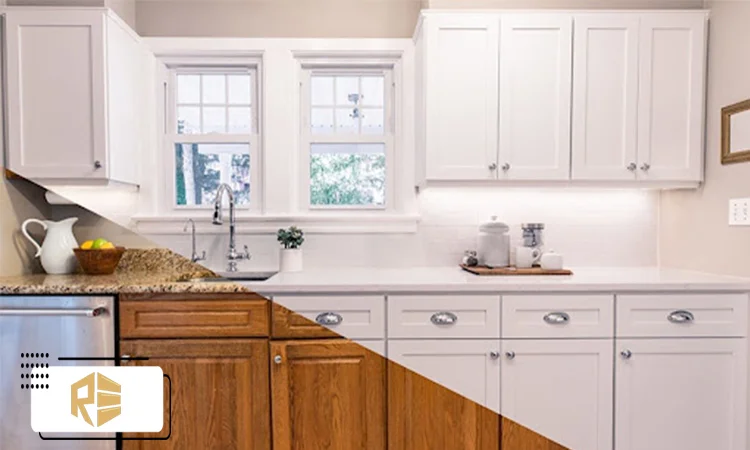
Kitchen renovation is one of the most effective ways to improve both the functionality and appearance of a home. However, a full cabinet replacement is not always necessary or cost-effective. In many cases, homeowners can achieve a completely refreshed look through more affordable and less invasive methods. This is where understanding Refacing vs Refinishing Cabinets becomes essential.
Cabinet refacing involves updating the external surfaces such as doors and veneers, while refinishing focuses on restoring the existing surfaces through sanding, painting, or staining. Both options can significantly enhance the look of your kitchen without the need for a full remodel.
The purpose of this article is to clearly explain the differences between these two methods and help you choose the best option based on cost, time, durability, and overall results. With the right approach, you can transform your kitchen efficiently and within budget.
What Is Cabinet Refacing?
Cabinet refacing is a renovation method that focuses on updating the visible parts of kitchen cabinets without removing the entire structure. It is a popular option when considering Refacing vs Refinishing Cabinets, especially for homeowners who want a dramatic visual upgrade without a full remodel.
In this process, the cabinet doors and drawer fronts are completely replaced with new ones, while the existing cabinet boxes remain in place. Additionally, a new veneer or laminate is applied to the exterior surfaces of the cabinet frames to ensure a consistent and refreshed appearance. Hardware such as handles and hinges is also typically upgraded.
What makes refacing appealing is that the internal structure of the cabinets stays untouched, meaning there is no need for demolition or major construction work. This method is ideal for kitchens with solid and functional cabinet boxes that only need a modernized look. The main advantage is achieving a brand-new aesthetic without changing the original layout.
What Is Cabinet Refinishing?
Cabinet refinishing is a restoration method that focuses on improving the appearance of existing kitchen cabinets without replacing any structural components. In the context of Refacing vs Refinishing Cabinets, refinishing is considered the more surface-level and budget-friendly option for updating a kitchen’s look.
The process typically involves thoroughly cleaning the cabinet surfaces, followed by sanding to remove old finishes or imperfections. After preparation, a new layer of paint, stain, or protective lacquer is applied to give the cabinets a fresh and updated appearance. This method keeps both the cabinet doors and the main structure completely intact.
Refinishing is best suited for cabinets that are still in good physical condition but look outdated or worn. Since no parts are replaced, the overall structure remains unchanged, making it a less invasive renovation approach.
The main advantage of refinishing is its affordability. It is one of the most cost-effective ways to refresh a kitchen while still achieving a noticeably improved and cleaner aesthetic.
What Is Cabinet Refinishing?
Cabinet refinishing is a cost-effective renovation method that focuses on restoring the original look of kitchen cabinets without replacing any structural parts. In discussions about Refacing vs Refinishing Cabinets, refinishing is often considered the simpler and more budget-friendly option.
The process involves carefully cleaning the cabinet surfaces, followed by sanding to remove the old finish, scratches, or discoloration. After preparation, a new coat of paint, stain, or protective lacquer is applied to give the cabinets a refreshed and updated appearance. Unlike refacing, no doors, drawer fronts, or cabinet boxes are replaced.
This method is ideal for cabinets that are structurally solid but visually outdated. Since the entire framework remains intact, refinishing does not involve major construction or demolition work, making it a faster and less disruptive option for homeowners.
The key advantage of refinishing is its affordability. It is one of the most economical ways to improve the look of a kitchen while still achieving a clean, renewed, and polished finish.
Key Differences Between Refacing and Refinishing
When comparing Refacing vs Refinishing Cabinets, it becomes clear that both methods aim to improve kitchen appearance, but they differ significantly in scope, process, and results. Understanding these differences helps homeowners choose the right solution based on budget, condition, and design goals.
Structural Changes
Refacing involves a noticeable transformation because it replaces cabinet doors and drawer fronts while covering the existing cabinet boxes with a new veneer. This creates a semi-new structure with a completely updated exterior. In contrast, refinishing keeps everything intact and only changes the surface through sanding, painting, or staining. It is purely a cosmetic upgrade without altering any components.
Time and Labor
Refacing usually requires more specialized work and materials, but it can be completed relatively quickly compared to a full remodel. Refinishing, while less complex, demands careful surface preparation and precision, which can make it time-intensive depending on the cabinet condition.
Visual Impact
Refacing delivers a dramatic, almost brand-new kitchen appearance. Refinishing offers a more subtle improvement, enhancing existing features rather than fully transforming the style.
Cabinet Refacing and Refinishing Cost Comparison
Cabinet refacing is generally considered a higher-cost renovation option because it involves multiple stages of material replacement and professional installation. In this process, cabinet doors and drawer fronts are completely replaced, and a new veneer is applied to the existing cabinet boxes to create a uniform and modern appearance. In addition, hardware such as handles and hinges is often upgraded, which further increases the total expense. Labor costs also play a significant role, as precise measurements and skilled installation are required to ensure a flawless finish. Because of these combined factors, refacing is usually positioned as a mid-range kitchen upgrade that delivers a strong visual transformation but requires a larger budget compared to refinishing.
Cost Structure of Cabinet Refinishing Method
Cabinet refinishing is a more budget-friendly alternative since it does not involve replacing any structural or visible components of the cabinets. Instead, the process focuses on surface preparation, including cleaning, sanding, and repairing minor imperfections before applying a new layer of paint, stain, or protective finish. Since all existing cabinet parts remain in place, material costs are minimal, and labor is less intensive compared to refacing. This makes refinishing an ideal choice for homeowners who want to refresh their kitchen appearance without committing to a large renovation budget. However, the final result depends heavily on the condition of the original cabinets and the quality of the finishing work applied.
Budget-Friendly Choice for Kitchen Renovation
When comparing both options, refinishing is clearly the more cost-effective solution, while refacing offers a more dramatic visual upgrade at a higher price point. The best choice depends on several factors, including kitchen size, cabinet condition, design expectations, and available budget. Larger kitchens or those requiring structural improvements may naturally increase the cost of both methods. Ultimately, homeowners must balance appearance goals with financial considerations to determine which option provides the best overall value for their specific renovation project.
Advantages and Disadvantages of Cabinet Refacing and Cabinet Refinishing Options
Cabinet refacing offers several important advantages, especially for homeowners seeking a significant visual upgrade. One of its main benefits is that it creates a completely new and modern appearance without changing the existing kitchen layout. It also provides high durability because new doors and veneers are installed, which can extend the lifespan of the cabinets. Additionally, refacing can increase the overall value of a home by improving the kitchen’s aesthetic appeal. However, there are also some drawbacks. The cost is relatively higher compared to other renovation methods, and the process typically requires skilled professional installation to ensure accuracy and quality results.
Refinishing Cabinets Advantages and Disadvantages in Terms of Cost, Speed, and Design Flexibility
Cabinet refinishing is a more affordable and faster solution, making it ideal for budget-conscious homeowners. It is also less invasive since it does not involve replacing any structural components, which reduces renovation disruption. However, refinishing has limitations in terms of design flexibility, as it only changes the surface finish without altering the cabinet structure or layout. Additionally, its durability may be lower compared to refacing, especially if the existing cabinets are older or exposed to heavy daily use.
Choosing Between Refacing and Refinishing Based on Kitchen Condition, Budget, and Design Goals
Deciding between Refacing vs Refinishing Cabinets depends largely on the condition of your existing cabinets, your budget, and the level of change you want to achieve. Refacing is usually the better option when the cabinet structure is still solid but the doors and exterior look outdated or damaged. It provides a more dramatic transformation and is ideal for homeowners who want a modern kitchen appearance without a full remodel.
On the other hand, refinishing is more suitable when the cabinets are structurally in good condition and the main issue is surface wear or outdated color. It is also the preferred choice for those working with a limited budget or looking for a quick refresh rather than a complete style change.
Lifestyle needs and long-term goals also play an important role. For more lasting and high-impact results, refacing is often preferred, while refinishing works well for simple upgrades. Consulting a professional can help ensure the right decision is made based on your kitchen’s specific condition.
Conclusion
In summary, both refacing and refinishing offer effective ways to upgrade kitchen cabinets without full replacement. The key difference lies in cost, process, and visual impact. While refacing provides a more complete transformation, refinishing offers a budget-friendly refresh. Ultimately, when it comes to Refacing vs Refinishing Cabinets, neither option is universally better—it depends on your needs, budget, and kitchen condition.
For expert guidance and the best renovation results, consider consulting Rezacustomcabinet to choose the most suitable solution for your space.