
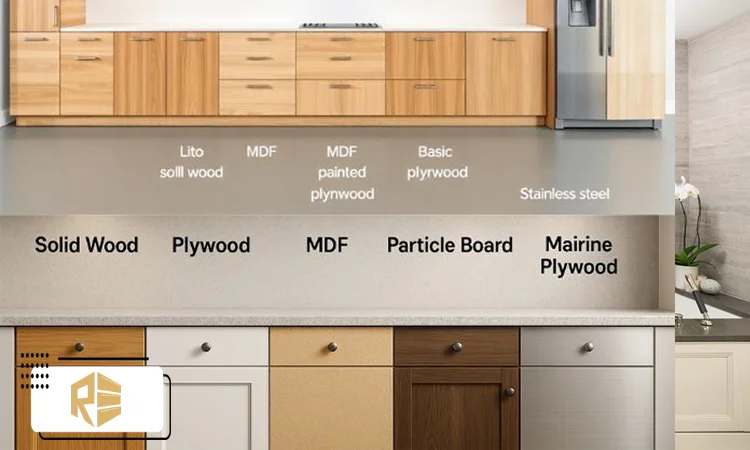
Choosing the right material is one of the most important decisions when designing custom cabinets. The material directly affects not only the overall quality of the cabinets but also their durability, appearance, and long-term performance. From how well the cabinets resist moisture and daily wear to how they look in your space, every detail is influenced by this choice. Cost is also closely tied to materials, making it essential to balance budget with expectations.
When exploring the Best Materials for Custom Cabinets, three of the most common options are solid wood, MDF, and laminate. Each material offers unique advantages and limitations, making them suitable for different needs and styles.
The goal of this article is to help you understand these options in detail and choose the best material based on your budget, design preferences, and lifestyle requirements.
Why Material Choice Matters in Custom Cabinets
The material you choose plays a critical role in the overall performance and lifespan of your cabinets. High-quality materials can ensure long-term durability, while lower-quality options may wear out more quickly under daily use. When considering the Best Materials for Custom Cabinets, it’s important to think beyond appearance and focus on how the material will perform over time.
Resistance to moisture and heat is another key factor, especially in kitchens and bathrooms where cabinets are constantly exposed to humidity, spills, and temperature changes. Some materials handle these conditions better than others, directly affecting maintenance and longevity.
Material choice also has a major impact on the visual outcome. It influences texture, color, and the overall style of your interior design, whether modern, classic, or minimalist.
Finally, materials are closely tied to your project budget. A smart selection balances cost, durability, and aesthetics, ensuring you get the best value while meeting your practical and design needs.
Solid Wood Cabinets Features Advantages and Limitations
Solid wood cabinets are often considered the most premium option when discussing the Best Materials for Custom Cabinets. Made from natural hardwoods such as oak, maple, or walnut, these cabinets offer a timeless and high-end appearance that enhances the overall value of a space. Their natural grain patterns and rich textures make each cabinet unique, adding warmth and character to both traditional and modern interiors.
Advantages of Solid Wood
One of the biggest advantages of solid wood is its natural beauty and luxurious look, which cannot be fully replicated by synthetic materials. In addition to aesthetics, solid wood is highly durable and can last for many years when properly maintained. Another key benefit is its ability to be repaired or refinished over time, allowing homeowners to restore or update the cabinets without full replacement.
Limitations of Solid Wood
Despite its advantages, solid wood comes with certain drawbacks. It is generally the most expensive option, which may not fit all budgets. It is also sensitive to moisture and humidity, which can lead to swelling or warping if not properly sealed. Over time, natural expansion and contraction may cause slight shape changes, especially in fluctuating environments.
MDF Cabinets Benefits Cost Efficiency and Performance
MDF (Medium-Density Fiberboard) is one of the most widely used materials in modern cabinetry and is often considered a practical choice when evaluating the Best Materials for Custom Cabinets. It is an engineered wood product made by compressing wood fibers with resin under high pressure, resulting in a dense and uniform structure. This consistency makes MDF especially popular for painted cabinets and contemporary designs.
Advantages of MDF
One of the main benefits of MDF is its affordability, making it a budget-friendly alternative to solid wood. It also has a very smooth surface, which allows for high-quality paint finishes without visible grain patterns. This makes it ideal for achieving clean, modern looks. Additionally, MDF is less prone to cracking or splitting compared to natural wood, thanks to its uniform composition.
Limitations of MDF
Despite its advantages, MDF has some limitations. It is less resistant to water and moisture, which can cause swelling or damage if not properly sealed. In terms of durability, it does not match the strength of solid wood, especially under heavy use. It is also more sensitive to impact, meaning it can dent or chip more easily than harder materials.
aminate Cabinets Modern Style and Durability
Laminate cabinets are a popular modern option when exploring the Best Materials for Custom Cabinets, especially for homeowners who prioritize durability and contemporary design. Laminate is created by bonding a thin decorative layer over a composite core such as MDF or particleboard, resulting in a smooth and uniform surface. This construction allows for a wide range of finishes, from matte and glossy colors to patterns that mimic natural materials.
Advantages of Laminate
One of the biggest advantages of laminate is its high resistance to scratches and daily wear, making it ideal for busy kitchens. It also offers a wide variety of colors, textures, and designs, giving homeowners flexibility to match different interior styles. In addition, laminate surfaces are easy to clean and maintain, requiring minimal effort to keep them looking new over time.
Limitations of Laminate
Despite its durability, laminate has some drawbacks. It generally lacks the authentic look and feel of natural wood, which may be important for more classic or luxury designs. Over time, the outer layer can begin to peel or separate, especially if exposed to moisture or poor installation. Repair options are also limited, often requiring replacement rather than restoration.
Which Material Is the Best Choice for Your Needs
Choosing among the Best Materials for Custom Cabinets depends on several key factors that should align with your priorities and living conditions. Budget is often the starting point—solid wood offers premium quality but comes at a higher cost, while MDF and laminate provide more affordable alternatives with good performance.
Design style is another important consideration. If you prefer a classic and natural look, solid wood is the ideal choice. For modern and smooth finishes, MDF works well, especially for painted cabinets, while laminate offers a wide range of contemporary styles and colors.
Durability expectations also matter. Solid wood provides long-term strength, while laminate is highly resistant to scratches and daily wear. MDF sits in between, offering decent durability for standard use.
Environmental conditions, such as humidity and frequent use, should also influence your decision. In the end, consulting with a professional can help you choose the most suitable material based on your specific needs and ensure long-lasting results.
Conclusion
Choosing the Best Materials for Custom Cabinets ultimately depends on your specific needs, priorities, and budget. As discussed, each material—solid wood, MDF, and laminate—offers its own advantages in terms of durability, appearance, and cost. While solid wood provides a premium and long-lasting solution, MDF offers affordability with a smooth finish, and laminate delivers modern style with easy maintenance.
There is no single “best” option for everyone. The right choice comes down to your design preferences, expected durability, and the conditions of your space.
For expert guidance and a customized solution, contact the professionals at Rezacustomcabinet to help you select the best material for your cabinets.