
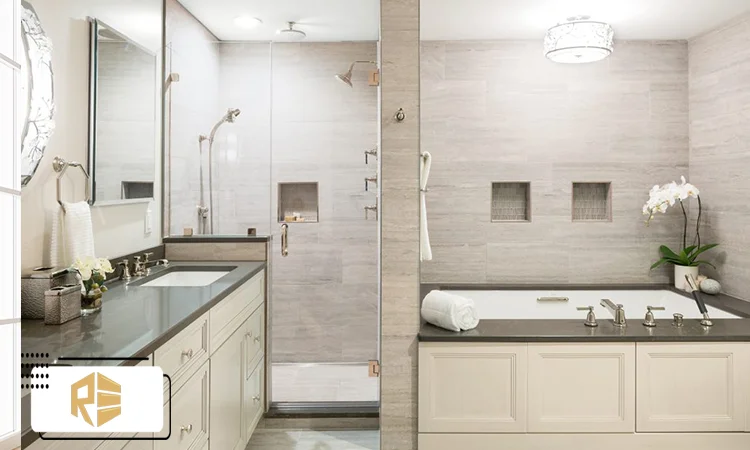
Choosing the right materials for kitchen and bathroom cabinets is essential, especially in spaces that are constantly exposed to moisture and humidity. Kitchens and bathrooms are two of the most used areas in any home, and they are also the most vulnerable to water damage. Steam, spills, and high humidity levels can significantly reduce the lifespan of cabinets if the wrong materials are used.
This is why selecting Waterproof materials for kitchen and bathroom cabinets is so important for long-term durability and performance. Without proper resistance to moisture, cabinets can swell, warp, or deteriorate over time, leading to costly repairs or replacements.
The purpose of this article is to explore the best waterproof options available and help you understand which materials work best in wet environments. By comparing different choices, you can make a more informed decision and ensure both durability and style in your kitchen and bathroom design.
Why Waterproof Materials Are Essential for Wet Areas
Kitchens and bathrooms are constantly exposed to moisture, steam, and occasional water spills, making them the most challenging environments for cabinetry. Without proper protection, standard materials can quickly deteriorate under these conditions. This is why using Waterproof materials for kitchen and bathroom cabinets is a crucial factor in maintaining durability and long-term performance.
One of the main benefits of waterproof materials is preventing swelling, warping, and rotting caused by prolonged exposure to moisture. When cabinets absorb water, their structure weakens, which leads to costly damage over time. Choosing the right materials significantly extends the lifespan of your cabinets and keeps them looking new for longer.
In addition, investing in moisture-resistant options reduces the need for frequent repairs or replacements, saving both time and money. Ultimately, selecting waterproof materials is not just a design choice but a smart decision that ensures reliability, functionality, and long-term value in wet areas of the home.
Solid Wood Cabinets and Their Water Resistance Performance in Moisture-Prone Areas
Solid wood is one of the most traditional and premium materials used in cabinetry, valued for its natural beauty and strong structural quality. However, when evaluating Waterproof materials for kitchen and bathroom cabinets, it is important to understand how solid wood behaves in environments with constant moisture and humidity, such as kitchens and bathrooms. While it offers excellent strength, its reaction to water requires careful consideration and maintenance.
Advantages of Solid Wood in Cabinet Design and Longevity
Solid wood provides a luxurious and timeless appearance that enhances the overall aesthetic of any space. Its natural grain patterns make each cabinet unique, adding warmth and elegance to interiors. In addition, it offers high durability and can last for decades if properly maintained and protected from moisture.
Disadvantages of Solid Wood in Wet Areas and Moisture Exposure
Despite its advantages, solid wood is highly sensitive to water and steam. Continuous exposure can cause warping, swelling, or even cracking over time. To maintain its performance in wet areas, it requires regular sealing and careful maintenance, which can increase long-term upkeep efforts.
MDF Cabinets with Waterproof Coating Performance in Moisture-Prone Environments
MDF (Medium-Density Fiberboard) is a widely used engineered material in modern cabinetry due to its affordability and smooth surface. When discussing Waterproof materials for kitchen and bathroom cabinets, MDF often becomes a practical option when it is combined with proper waterproof coatings such as PVC, laminate, or specialized sealants. These coatings help improve its resistance to moisture, making it more suitable for humid environments compared to untreated MDF.
Advantages of MDF with Waterproof Coating in Cabinet Applications
One of the main advantages of MDF is its cost-effectiveness, making it an attractive choice for budget-friendly kitchen and bathroom projects. Its smooth and uniform surface also makes it ideal for applying high-quality finishes and decorative coatings, allowing for a clean and modern appearance in various interior styles.
Limitations of MDF in Moisture and Humid Conditions
Despite its benefits, MDF remains vulnerable to water damage if the protective coating is compromised. If moisture penetrates the surface, the material can swell and lose its structural integrity. Therefore, the quality of the waterproof layer is crucial, and poor sealing can significantly reduce the cabinet’s durability over time.
Plywood as a Strong Moisture-Resistant Option for Durable Cabinet Construction
Plywood is considered one of the most reliable materials when evaluating Waterproof materials for kitchen and bathroom cabinets. It is made by layering thin sheets of wood veneer in alternating directions, which significantly increases its strength and resistance to moisture compared to many other engineered wood products. This layered structure makes plywood a strong choice for humid environments where durability is essential.
Advantages of Plywood in Moisture-Prone Cabinet Applications
One of the main advantages of plywood is its high resistance to moisture, especially when properly sealed or treated. It also offers greater structural strength compared to MDF, making it more stable under heavy loads and long-term use. Because of these properties, plywood is widely used in kitchens and bathrooms where exposure to humidity is frequent.
Limitations of Plywood in Cost and Quality Variation
Despite its benefits, plywood is generally more expensive than MDF, which can impact overall project budgets. Additionally, the quality of plywood can vary significantly depending on the manufacturer and grade, making careful selection important for long-term performance.
Laminate and PVC Cabinets for Waterproof Performance in Modern Interiors
Laminate and PVC materials are among the most popular modern solutions for Waterproof materials for kitchen and bathroom cabinets, especially in highly humid environments. These materials are designed to provide strong surface protection against water, making them ideal for both kitchens and bathrooms where spills and moisture are common. They are typically applied over engineered wood cores, creating a durable and protective outer layer.
Advantages of Laminate and PVC in Water Resistance and Maintenance
One of the biggest advantages of laminate and PVC is their excellent resistance to water and moisture, which helps prevent swelling, warping, or surface damage. They are also very easy to clean and maintain, requiring minimal effort to keep them looking new. In addition, they offer a wide variety of colors, textures, and finishes, allowing homeowners to achieve modern and customized interior designs.
Limitations of Laminate and PVC in Aesthetic and Repair Flexibility
Despite their practicality, laminate and PVC materials often lack the natural and premium appearance of solid wood. They may also be more difficult to repair if damaged, as surface issues usually require replacement rather than restoration.
Cost Comparison of Waterproof Cabinet Materials and Budget Considerations for Homeowners
When evaluating Waterproof materials for kitchen and bathroom cabinets, cost is one of the most important factors influencing the final decision. Different materials vary significantly in price depending on quality, durability, and appearance. Solid wood is generally the most expensive option, offering a premium and luxurious finish but requiring a higher investment. MDF is the most economical choice, making it suitable for budget-friendly projects while still allowing versatile design options. Plywood falls in the middle to higher price range due to its improved strength and moisture resistance. Laminate and PVC are also widely used because they provide excellent water resistance at a relatively affordable cost, making them practical for modern homes.
Ultimately, budget plays a key role in determining which material is the best fit, balancing cost with long-term performance and design expectations.
How to Choose the Best Waterproof Material for Your Space Based on Functionality and Design Needs
Selecting the right option among Waterproof materials for kitchen and bathroom cabinets requires careful consideration of several important factors. The first is the level of moisture in the environment, as bathrooms typically require stronger water resistance compared to kitchens. The type of usage also matters, since high-traffic areas demand more durable materials. Budget is another key factor that influences whether homeowners choose premium or cost-effective solutions. In addition, the overall interior design style should be considered to ensure visual harmony with the rest of the space. Finally, consulting with professionals can help ensure the best balance between durability, aesthetics, and cost, leading to a more reliable long-term investment.
Conclusion
Using the right Waterproof materials for kitchen and bathroom cabinets is essential for ensuring long-term durability, especially in spaces exposed to constant moisture and humidity. As discussed, each material offers different levels of resistance, cost, and performance, making the right choice dependent on your specific needs and environment.
In summary, selecting the appropriate waterproof material not only improves the lifespan of your cabinets but also helps reduce long-term maintenance and repair costs. A smart decision today can prevent expensive problems in the future.
For expert guidance and the best waterproof cabinet solutions, contact the professionals at Rezacustomcabinet to choose the most suitable material for your project.