
Choosing the right cabinet style is about more than selecting a color, material, or door design. The way cabinet doors sit on the cabinet frame can dramatically change the appearance, functionality, and even the overall feel of a kitchen. Two of the most popular options are Inset and Overlay Cabinets, and although their difference may seem small, they create noticeably different results.
Inset cabinets have doors that sit inside the cabinet frame, creating a flush, furniture-like appearance. Overlay cabinets, in contrast, have doors positioned over the frame, covering part or most of it. This construction difference affects everything from visual style and storage access to installation precision, maintenance, and project cost. For homeowners planning a kitchen remodel, understanding these differences makes it easier to choose cabinetry that fits both the home’s design and everyday needs. In this guide, we will compare inset and overlay cabinets from a practical perspective and explain when each option makes the most sense.
Inset Cabinets: A Precise, Furniture-Inspired Look
Inset cabinets are designed with doors and drawer fronts that fit directly inside the cabinet frame. When the doors are closed, they sit nearly flush with the frame, leaving a small and consistent reveal around each opening. This construction gives inset cabinetry a refined appearance that often resembles handcrafted furniture. Because the cabinet frame remains visible, the design has more visual detail than a full-overlay cabinet.
Inset cabinetry works particularly well with:
- Traditional kitchens
- Transitional interiors
- Farmhouse-inspired spaces
- Furniture-style kitchens
- High-end custom cabinetry
One of its biggest advantages is its clean and balanced appearance. Every door needs to fit accurately within its opening, so the finished kitchen can have an exceptionally tailored look. The trade-off is that inset construction demands greater precision. Uneven cabinet installation, inaccurate measurements, or natural wood movement can become more noticeable because the gaps around the doors are intentionally small and consistent.
Overlay Cabinets: Clean Lines With Greater Flexibility
Overlay cabinets take a different approach. Their doors are mounted over the cabinet frame rather than inside it. As a result, the doors cover some or most of the visible frame.There are two common overlay configurations: partial overlay and full overlay.
Full Overlay Creates a Sleek Modern Surface
Full overlay doors cover almost the entire cabinet frame. Only a small amount of the frame remains visible between doors and drawers. This design is particularly popular in modern and contemporary kitchens because it creates a continuous, streamlined appearance. It can also work beautifully with Shaker, slab, and minimalist door styles.
Partial Overlay Keeps More of the Frame Visible
Partial overlay doors cover only part of the frame, allowing more of the cabinet structure to remain visible. This approach often creates a more traditional appearance and can be a practical option when homeowners want a classic cabinet design without the additional precision associated with inset construction.
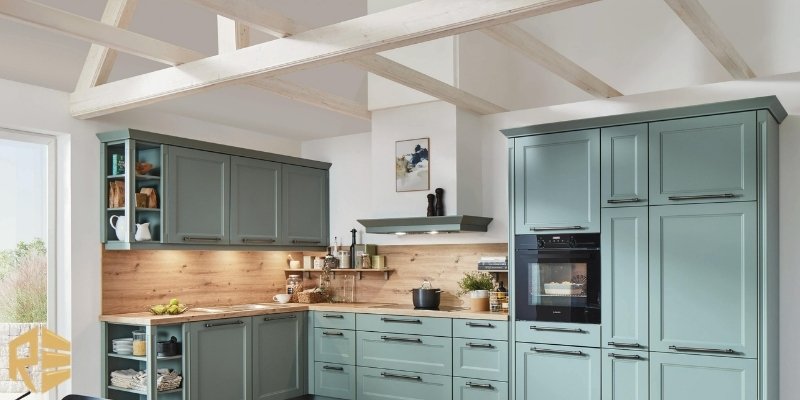
Inset vs. Overlay: The Differences That Actually Matter
Although both configurations can produce beautiful kitchens, they differ in several practical ways.
| Feature | Inset Cabinets | Overlay Cabinets |
|---|---|---|
| Door Position | Inside the cabinet frame | Over the cabinet frame |
| Frame Visibility | More visible | Partially or mostly covered |
| Overall Appearance | Refined and furniture-like | Clean and streamlined |
| Installation | Requires greater precision | Generally more forgiving |
| Interior Access | Slightly reduced around openings | Typically more accessible |
| Cost | Often higher | Usually more budget-friendly |
| Best Styles | Traditional and Transitional | Modern, Contemporary and Transitional |
| Adjustments | Alignment is more noticeable | Generally easier to adjust |
The right choice ultimately depends on your home’s architecture, preferred aesthetic, available budget, and expectations for everyday use.
Which Cabinet Style Gives You More Storage?
Storage is an important consideration, especially in smaller kitchens. Because inset doors sit inside the cabinet frame, some of the opening is occupied by the frame and the clearance required for the door. This can slightly reduce usable access compared with an overlay design.
Overlay cabinets place the doors outside the opening, which can provide easier access to the cabinet interior. For homeowners focused on maximizing storage efficiency, this can be an advantage. However, door configuration is not the only factor that determines how much storage a kitchen provides. Cabinet dimensions, drawer depth, shelving, corner solutions, and interior organizers can have a much greater impact. Therefore, it is better to evaluate the entire cabinet design rather than choosing a style based solely on storage capacity.
Why Inset Cabinets Often Cost More
One of the most important differences between inset and overlay cabinetry is the level of precision required during manufacturing and installation. An inset door must fit properly inside the cabinet opening while maintaining consistent spacing on every side. Even relatively small inaccuracies can affect the appearance and operation of the door.
Overlay cabinets are more forgiving because the door sits over the frame. Minor variations are often less visible, and hinges can typically be adjusted without dramatically changing the appearance. For this reason, inset cabinetry often costs more. The additional expense can come from detailed fabrication, more precise installation, specialized hardware, and greater labor requirements. That does not mean overlay cabinets are inferior. High-quality overlay cabinetry can be exceptionally durable and attractive. The difference is primarily related to construction and installation requirements.
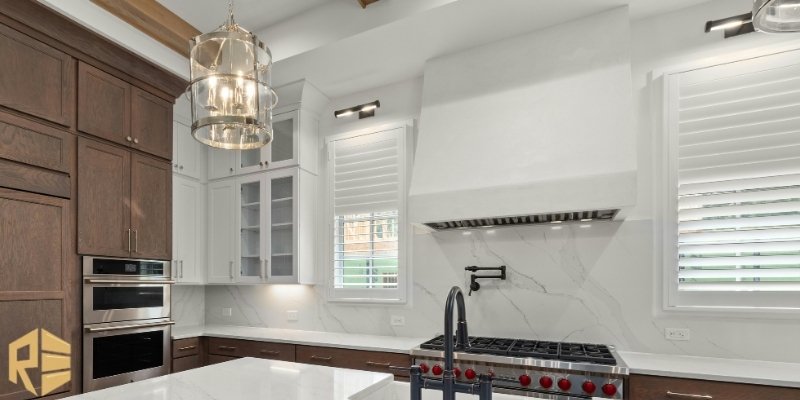
Installation Matters More Than You Might Think
The installation process can have a major impact on the final appearance of either cabinet style. With inset cabinetry, precision is particularly important. Cabinet boxes need to be properly aligned, doors must have consistent reveals, and hinges need accurate adjustment. Overlay cabinets offer somewhat greater tolerance, making them easier to align when minor variations exist.
Environmental conditions can also matter. Natural wood responds to humidity and temperature changes by expanding and contracting. With inset doors, these movements may be more noticeable because the clearances are relatively tight. For homeowners considering remodeling or Cabinet Repair San Diego, identifying the existing cabinet construction is an important first step. Repairing and realigning an inset door can require a different approach from adjusting an overlay door.
Matching Cabinet Construction to Your Interior Style
The best cabinet configuration is usually the one that complements the entire room rather than following a trend. Inset cabinetry is a strong choice when you want cabinetry to feel like custom furniture. Visible frames, carefully aligned doors, decorative hardware, and classic finishes can enhance this effect.
Overlay cabinetry is particularly effective when the goal is a cleaner and more continuous visual surface. Full overlay doors paired with simple hardware and modern finishes can make a kitchen feel spacious and contemporary. For homes where architectural character is important, the cabinet configuration should also work with existing details such as flooring, countertops, trim, windows, and lighting. Homeowners looking for Custom Cabinets in Coronado may find that inset cabinetry works especially well in residences where the cabinetry needs to complement a distinctive architectural style.
How to Choose the Right Option for Your Kitchen
There is no universal winner between inset and overlay cabinets. Instead, consider these four factors before making your decision.
- Your preferred style:
Choose inset if you prefer a detailed, furniture-like appearance. Consider full overlay if you want a cleaner and more contemporary look.
- Your budget:
If you want to keep cabinetry costs under control, overlay construction can offer greater flexibility. If craftsmanship and visual detail are priorities, inset may justify the additional investment.
- Your storage priorities:
Overlay cabinets can provide slightly easier access to the cabinet interior, while inset focuses more heavily on appearance and precise construction.
- Your home’s character:
The best cabinetry should feel connected to the architecture rather than looking like an isolated design choice.
If you are searching for Custom cabinets near me in San Diego, comparing physical cabinet samples can be much more useful than relying only on photographs. Seeing inset and overlay doors side by side makes differences in depth, frame visibility, and overall appearance immediately clear.
Final Thoughts
The difference between Inset and Overlay Cabinets is primarily about where the cabinet doors sit in relation to the frame, but that small construction decision can influence the entire kitchen. Inset cabinets stand out for their precision, craftsmanship, and furniture-inspired appearance, making them a strong choice for homeowners who want a sophisticated and tailored interior. Overlay cabinets offer design flexibility, easier access, and a streamlined appearance, particularly when full overlay construction is used. Instead of choosing based only on appearance or current trends, consider your budget, storage requirements, home’s architectural style, maintenance expectations, and the quality of installation. When these factors are considered together, both inset and overlay cabinetry can provide a durable and visually appealing foundation for a successful kitchen remodel.
Frequently Asked Questions
- Are inset cabinets better than overlay cabinets?
Neither is automatically better. Inset cabinets offer a refined furniture-style appearance, while overlay cabinets provide flexibility, easier access, and often a lower overall cost.
- Are inset cabinets more expensive?
They are often more expensive because their doors require precise measurements, fabrication, alignment, and installation.
- Do inset cabinets provide less storage?
They can provide slightly less usable access around the cabinet opening, but the actual storage difference depends heavily on cabinet dimensions and interior design.