
Custom cabinetry can improve a home’s storage capacity, appearance, and functionality, but understanding the budget before starting a project is essential. The total Custom Cabinets Cost depends on several factors, including cabinet dimensions, material quality, door styles, finishes, hardware, and installation requirements. Even two projects with similar layouts can have different prices because their specifications and construction details may vary considerably.
For homeowners planning a kitchen renovation, bathroom upgrade, or built-in storage project, knowing what influences the final estimate makes it easier to prioritize features and avoid unexpected expenses. When considering Custom cabinets in San Diego, it is important to compare detailed proposals rather than relying on a single advertised price. The materials selected, the complexity of the design, and the condition of the existing space can all affect the investment.
This guide explains the most important pricing factors, provides a framework for comparing cabinet estimates, and shares practical ways to manage costs without sacrificing durability, functionality, or design quality.
What Factors Determine the Cost of Custom Cabinets?
The cost of custom cabinetry is influenced by more than the number of cabinets a homeowner needs. Each project combines material choices, construction methods, design preferences, storage requirements, and installation conditions. Understanding these elements helps homeowners decide where to invest, which upgrades are worth considering, and where simpler alternatives can provide similar results.
Cabinet Dimensions and the Overall Scope of the Project Determine the Starting Budget
The total amount of cabinetry is one of the first considerations when estimating project costs. A compact bathroom vanity requires fewer materials and less labor than a complete kitchen with upper cabinets, lower cabinets, a pantry, and a central island. Cabinet height, depth, and width also affect pricing. Floor-to-ceiling units, oversized drawers, extra-deep storage, and cabinets designed to fit unusual wall dimensions may require additional materials or more complex fabrication.
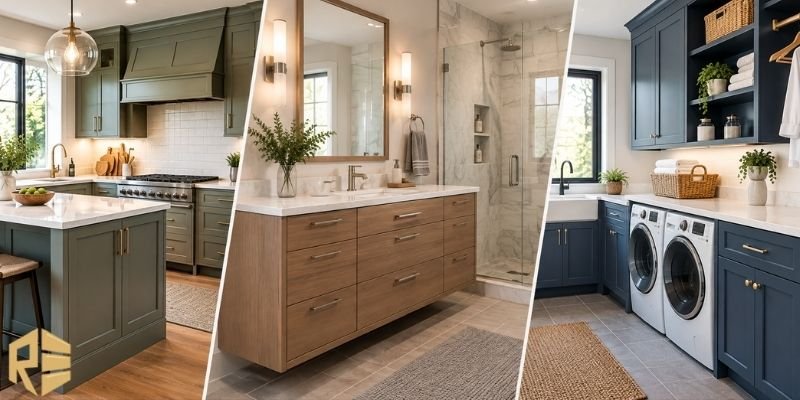
The number of rooms included in the project matters as well. A homeowner planning cabinetry for a kitchen, laundry room, and bathroom will generally need a larger overall budget than someone updating a single space. However, coordinating several areas in one project can sometimes simplify scheduling and delivery. Before requesting an estimate, identify the areas that require new cabinetry and separate essential storage from optional additions. This gives the cabinet designer a clearer understanding of your priorities and helps establish a realistic starting budget.
Cabinet Materials and Construction Quality Influence Both Price and Durability
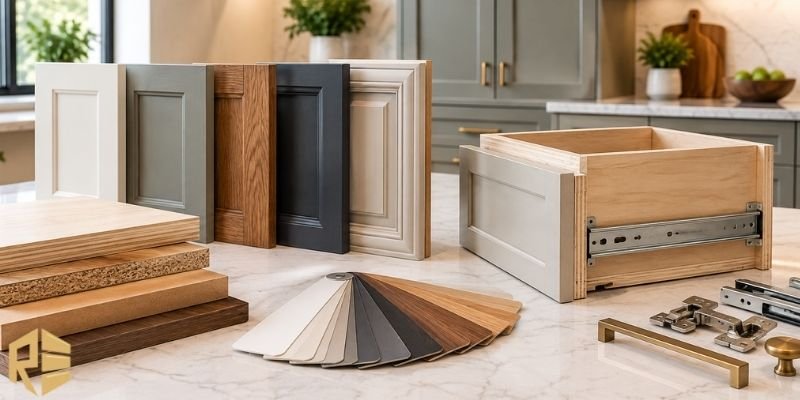
Material selection affects the appearance, strength, maintenance requirements, and long-term performance of custom cabinets. Solid wood, plywood, medium-density fiberboard (MDF), and engineered panels can all be appropriate, depending on the application and construction quality.
Solid wood offers natural grain patterns and a distinctive appearance, but premium species can increase material costs. Plywood is commonly used for cabinet boxes because of its layered construction and strength. MDF provides a smooth surface for painted finishes, while certain engineered panels can offer a more economical option for specific cabinet components.
The important consideration is not simply choosing the most expensive material. Homeowners should evaluate how the cabinet boxes, doors, shelves, and drawers are constructed and whether those materials suit the room’s conditions. When comparing estimates, ask for details about the materials used in each component. A proposal that specifies construction methods and material grades provides a more useful basis for comparison than one that lists only a general cabinet style.
Door Styles, Decorative Details, and Finishes Can Increase Manufacturing Costs
Cabinet doors cover a large portion of the visible surface, so their design and finish can influence the final price. Simple slab doors and straightforward Shaker-style designs may require less fabrication than highly detailed doors with intricate profiles, decorative edges, or unusual dimensions. Finishing requirements can also affect the budget. Standard painted or stained finishes may be less complex than specialty colors, glazed treatments, multi-layer coatings, or finishes that require extensive preparation and sanding.
Homeowners do not necessarily need elaborate finishes throughout the entire project to achieve an attractive result. A consistent door style can create a coordinated appearance, while decorative details can be reserved for focal points such as a kitchen island, display cabinet, or built-in feature wall. When evaluating finish options, consider appearance alongside maintenance. A finish that is easy to clean and appropriate for everyday use may provide better practical value than a more expensive treatment that requires additional care.
Custom Storage Features and Cabinet Accessories Add Functionality to the Budget
One of the main advantages of custom cabinetry is the ability to organize storage around everyday routines. However, specialized accessories require additional components and can increase fabrication and installation costs.
Common upgrades include:
- Pull-out pantry shelves and spice racks that improve access to stored items.
- Deep drawers for cookware, small appliances, and frequently used kitchen equipment.
- Soft-close hinges and drawer slides that provide smoother operation
- Built-in waste and recycling bins that keep containers out of sight.
- Vertical dividers for baking trays, cutting boards, and serving platters.
- Integrated lighting and glass-front doors for display areas.
These features can make cabinets more practical, but not every upgrade is necessary in every room. A pull-out organizer may be especially useful in a deep pantry, while decorative glass doors may have limited value in a utility area. The most effective approach is to identify specific storage problems before choosing accessories. Investing in features that solve everyday problems helps ensure that additional spending improves functionality rather than simply increasing the final price.
Cabinet Hardware and Internal Construction Affect Long-Term Performance
Hinges, drawer slides, handles, shelf supports, and internal fittings may seem like minor details, but they influence how cabinets perform over time. Hardware quality affects door alignment, drawer movement, weight capacity, and ease of use. Premium soft-close mechanisms and heavy-duty drawer systems can increase the initial cost, but they may be worthwhile in areas that experience frequent use. Standard hardware can remain a practical choice for cabinets that are opened less often or hold lighter items. Internal construction deserves the same attention as exterior design. Shelf thickness, drawer joinery, cabinet-box assembly, and mounting methods all contribute to durability.
Two cabinets may look nearly identical while differing significantly in construction quality. Ask the cabinet professional to explain the hardware specifications and internal components included in the estimate so you can understand what accounts for the price difference.
Installation Complexity and Labor Requirements Can Change the Final Estimate
The price of custom cabinetry includes more than manufacturing. Installation involves accurate measurements, positioning, leveling, securing cabinets, aligning doors, fitting trim, and adjusting drawers and hardware. Older homes may have uneven floors, walls that are not perfectly straight, or corners that require additional fitting. These conditions can increase labor time, especially when cabinets must fit around windows, appliances, plumbing connections, or architectural features.
For homeowners considering Custom cabinets in la jolla, it is important to assess the actual conditions of the property rather than assume that similar-looking projects will have identical installation costs. Access to the work area, delivery arrangements, and the amount of preparation required can all affect the final estimate. Before approving a proposal, confirm whether the price includes delivery, removal of existing cabinets, disposal, wall repairs, and installation. A lower manufacturing quote may not represent a lower overall cost if several essential services are charged separately.
Room Conditions and Moisture Exposure Determine the Right Cabinet Specifications
Different rooms place different demands on cabinetry. Kitchen cabinets must withstand frequent use, cooking residue, and regular cleaning. Bathroom cabinets face additional exposure to humidity, splashes, and potential plumbing leaks. For Bathroom cabinets in San Diego, appropriate material selection, protected edges, durable finishes, and suitable ventilation are particularly important around sinks and plumbing connections. The exact specification should reflect the room’s conditions and the likelihood of repeated water exposure.
Laundry rooms may require storage for cleaning products, linens, and bulky equipment, while home offices often benefit from integrated cable management and concealed storage. These differences can affect both the cabinet design and the materials required. Selecting cabinetry according to its environment can help prevent premature deterioration. A less expensive product that is poorly suited to the room may require repairs or replacement earlier than expected, reducing the value of the original savings.
How to Compare Custom Cabinet Prices and Plan Your Budget
Custom cabinetry estimates may be presented as a total project price, a price per linear foot, or a breakdown by individual cabinet units. Each method can be useful, but only when the included materials and services are clearly defined. As a broad U.S. planning reference, custom cabinetry may cost approximately $500–$1,200 per linear foot installed, while premium projects can exceed this range. These figures are general estimates, not guaranteed prices for San Diego. Actual costs depend on project specifications, local labor, materials, and what the contractor includes in the quote.
| Cost Factor | What Increases the Cost? | Budget Planning Tip |
|---|---|---|
| Cabinet Size and Scope | More cabinets, larger dimensions, and complex layouts | Prioritize essential storage areas. |
| Materials and Construction | Premium wood, durable panels, and stronger joinery | Compare durability and warranty terms. |
| Doors and Finishes | Decorative profiles, specialty paint, and custom finishes | Choose a finish that fits your budget. |
| Hardware and Accessories | Soft-close hinges, drawer organizers, and pull-out systems | Invest in features you will use regularly. |
| Installation and Labor | Uneven walls, plumbing changes, and difficult access | Request an itemized installation estimate. |
| Room Conditions and Moisture | Moisture-resistant materials and protective finishes | Select materials suited to the room. |
Rather than treating the table as a price list, use it to review proposals and identify the reasons one estimate may be higher than another.
Practical Ways to Reduce Custom Cabinet Costs Without Sacrificing Quality
Reducing the budget does not necessarily mean choosing the cheapest materials or removing useful features. The goal is to focus spending on the elements that matter most to the project’s performance and appearance.
- Simplify the layout: Unnecessary angles, unusual configurations, and complicated dimensions can increase fabrication and installation work.
- Prioritize essential storage: Invest in useful drawers, pantry space, and frequently accessed cabinets before adding decorative features.
- Choose finishes strategically: A consistent, practical finish can reduce complexity while maintaining a coordinated appearance.
- Compare itemized estimates: Check cabinet quantities, materials, hardware, delivery, installation, and exclusions before making a decision.
- Finalize design decisions early: Confirm dimensions, appliance locations, finishes, and accessories before fabrication begins to reduce the risk of costly changes.
Avoid reducing costs by compromising structural integrity, selecting unsuitable materials, or skipping accurate installation. These decisions may lead to repairs and additional expenses later.
Important Questions to Ask Before Approving a Custom Cabinet Estimate
A reliable estimate should explain exactly what the homeowner will receive. Before approving a proposal, confirm the cabinet-box and door materials, finish specifications, hardware models, storage accessories, and installation responsibilities. It is also important to clarify whether the quote includes removal of old cabinets, delivery, disposal, wall repairs, countertop work, and plumbing or electrical coordination. These services may be handled separately, depending on the project.
Homeowners should also ask about the design approval process, expected production timeline, payment schedule, warranty coverage, and procedures for handling changes after fabrication begins. Clear answers make it easier to compare contractors and reduce the risk of unexpected charges.
Conclusion
Understanding Custom Cabinets Cost requires looking beyond cabinet doors and comparing the complete project. Dimensions, materials, finishes, hardware, storage accessories, room conditions, and installation requirements all influence the final price.
Homeowners can make better decisions by setting priorities, reviewing itemized estimates, and selecting upgrades that provide practical value. Careful planning before fabrication begins helps control costs while ensuring the finished cabinetry meets the home’s storage needs, design preferences, and durability expectations.
Frequently Asked Questions
- What Is the Average Cost of Custom Cabinets?
The price varies according to project size, materials, finishes, and installation requirements. Broad U.S. estimates may range from $500 to $1,200 per linear foot installed, but actual quotes can fall outside this range. A project-specific estimate is the most reliable way to establish a budget.
- Which Factors Affect Custom Cabinet Pricing the Most?
The main factors include the amount of cabinetry, material selection, door design, hardware, specialized storage features, and installation complexity. Additional renovation work can also increase the total.
- Are Custom Cabinets More Expensive Than Stock Cabinets?
Custom cabinets generally cost more upfront because they are designed for specific dimensions and requirements. However, they offer greater flexibility in layout, storage, material selection, and appearance. Their value depends on the homeowner’s needs and priorities.